Goodreads: https://www.goodreads.com/book/show/235998001-yesterday-was-not-so-long-ago
Genre: Memoir / Historical Nonfiction
Subgenres: Wartime Autobiography, Cultural Reflection, Diary-Style Narrative
Themes: Identity, Memory, Displacement, Youth Under Political Pressure, Love in Chaos
Content Warning: Contains references to wartime Germany and Nazi-era cultural shifts, but no graphic depictions.
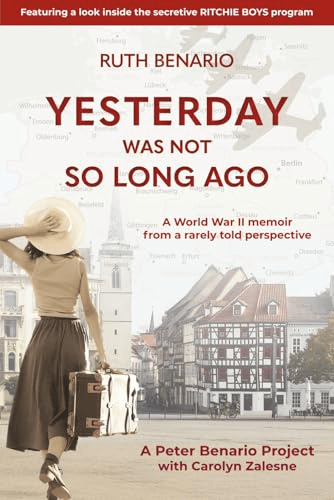
There’s a certain kind of storytelling that doesn’t demand your attention—it earns it by quietly unfolding truths that feel startlingly familiar. Yesterday Was Not So Long Ago is that kind of book. It doesn’t dramatize war, romanticize resilience, or pit heroes against villains in a tidy plot. It does something far rarer: it shows what it means to become a person while the world is unraveling.
When you think of wartime memoirs, you may imagine chaos and gunfire. Ruth Benario begins with bells. Church bells in Erfurt, a town too proud to worry about politics until it was too late. And from those bells echoes a story of growing up—not just during World War II, but in a time when almost no one around you thinks the world is about to shift under their feet.
The book reads like memory itself: nonlinear, deeply sensory, and charged with emotional echoes. One moment you’re sitting on the window ledge of a rural millhouse, watching berries cook into jam. The next, you’re in a rigid girls’ academy, memorizing Latin verses while classmates pass secret notes. And then suddenly you’re hiding parts of your heart because loving the “wrong” person could mean social death—or worse. Ruth’s story is full of these gentle pivots, reminding us that most lives aren’t composed of big, cinematic decisions. They’re made of small, ordinary ones—like whether to keep a brown dress or give it back.
Benario’s language is unassuming, but that’s its power. She captures detail with a diarist’s intimacy and a historian’s clarity. You don’t read this memoir as an outsider—you inhabit it. You listen to the silence between explosions. You feel the uneven floorboards of her childhood apartment. You smell the cream puffs her grandmother eats with aristocratic flair. These are the kinds of images that don’t fade.
What elevates the narrative even further is how Peter Benario, her son, completes the manuscript years after her death. Without fanfare, he folds in his father’s story—a German Jew whose journey to America mirrors Ruth’s in complexity but not in tone. The duality is never forced; instead, it feels like a quiet conversation across generations, unfinished and yet whole.
Some readers might wish for more action or historical scaffolding, but that’s not the book’s intent. Yesterday Was Not So Long Ago is not a record of events. It’s a record of impact—how ideology reshapes a neighborhood, how uniforms replace questions, how memory sifts what to keep and what to let slip into silence.
This memoir is not a tale of what happened. It’s a testimony to how it felt—and why that still matters. For readers who believe history must always be loud to be important, Ruth Benario proves otherwise.
And if you’re still wondering what a bell, a plum, and a teepee have in common—you already know where to look.
Excellence in Literature Award
The Excellence in Literature Award is a tribute to the timeless power of storytelling. We recognise works that transcend fleeting trends—books that resonate deeply and linger long after the final page. Whether bold and boundary-breaking or quietly powerful, these stories reflect true literary excellence.
This award encompasses a wide literary landscape—from genre fiction to poetic reflections, from contemporary gems to historical epics. At its heart, it celebrates writers who demonstrate mastery, originality, and the ability to connect with readers on a meaningful level.
We’d love to hear from you!
What are your thoughts on this piece? Share your insights in the comments below!
- What stood out to you most about this post?
- Have you read a book recently that relates to the themes discussed here?
- What’s your favorite takeaway or reflection from this write-up?
Let’s keep the conversation going—your thoughts make this space richer!
Disclaimer: The content on this site is provided for informational and inspirational purposes only. While we strive for accuracy, the views expressed in reviews, articles, and recommendations are subjective and may not reflect the opinions of all readers.
We receive complimentary copies of all books we review. However, this practice does not compromise the integrity or honesty of our reviews. Every write-up reflects the contributor’s genuine impressions and critical analysis, ensuring transparency and trust with our readers.
For a complete understanding of our practices, please refer to our full Disclaimer, Privacy Policy, and Terms of Service. These documents outline how we manage your information, ensure transparency, and uphold your rights as a user.
To request for a review, to nominate your favorite book for an award, or for more details about our awards, click here.
Other Stories

Reimagining Life Through Words and Service with Debra J. White
What happens when life’s hardest blows lead to unexpected purpose? Discover how Debra turned trauma, recovery, and rescued animals into writing and volunteer work that inspires resilience and connection.
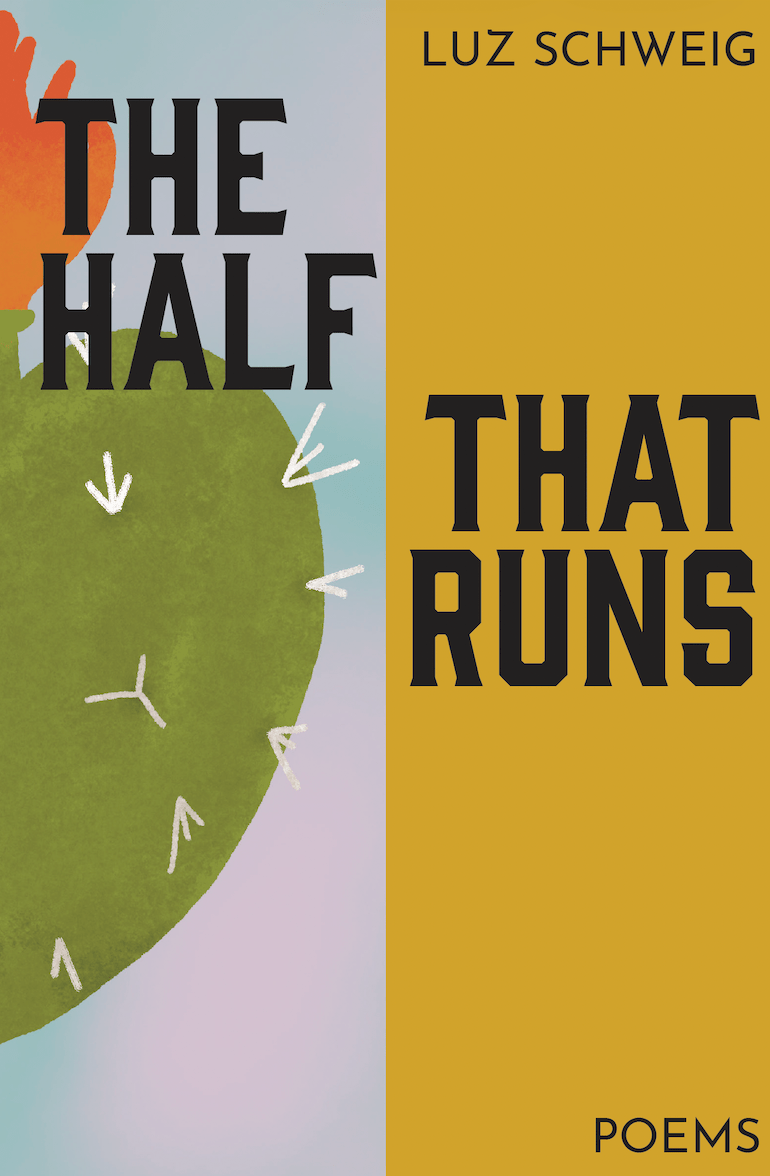
The Half That Runs by Luz Schweig
What if your memories had a geography—one that kept shifting under your feet like sand? Discover how The Half That Runs by Luz Schweig maps identity—read the full piece.
Book Review: Climb Greater Heights by Tony Jeton Selimi
What if your biggest business obstacle isn’t competition but something invisible within you? Discover the answer in Climb Greater Heights by Tony Jeton Selimi—read the full review to explore.

 OneTribune