Genre: Non-Fiction
Sub-genres: Medicine, Healthcare Policy, Medical Technology
Themes: AI in medicine, professional ethics, future of healthcare, robotics, medical leadership
Review:
Content Warning:
This book contains speculative but non-graphic scenarios about future risks in healthcare systems involving artificial intelligence and automation. All content is family-friendly, educational, and professionally appropriate.
Navigating Tomorrow with a Stethoscope and a Circuit Board
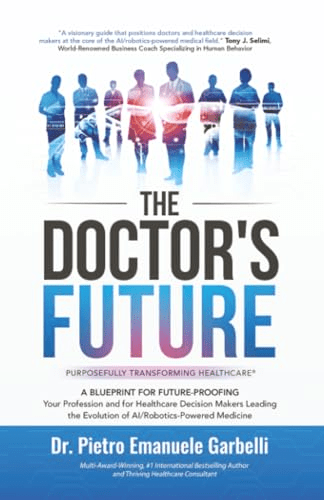
Would you ever ask a robot to interpret a newborn’s cry or console a grieving spouse? Maybe not today—but The Doctor’s Future asks what happens when that future becomes tomorrow’s routine.
The author, Dr. Pietro Emanuele Garbelli, brings two decades of firsthand experience in acute internal medicine into sharp focus. He’s been in the trenches—witnessing system breakdowns, clinician burnout, and the administrative overload that squeezes the heart out of patient care. His new book doesn’t romanticize the past or panic about the future. Instead, it sketches a path toward coexistence—where doctors and machines don’t compete, but collaborate.
Why This Book Matters Now
We live in a time when artificial intelligence can detect skin cancer with the same accuracy as a trained dermatologist and when voice recognition tools are helping doctors cut charting time in half. Garbelli doesn’t deny the promise of this technology—he embraces it—but he doesn’t ignore its implications either. He methodically addresses everything from legal gaps and algorithmic bias to the psychological toll on physicians fearing obsolescence.
One standout moment includes the discussion of predictive analytics in clinical settings (p. 7), where AI identifies risk patterns invisible to the human eye. Another comes later, in a chapter imagining a not-so-unrealistic future where over-reliance on machines could create clinical blind spots. These moments feel less like Black Mirror and more like informed foresight.
For Whom the Book Speaks
If you’re a practicing physician, clinical leader, medical student, or policymaker, this book reads like a leadership debrief for the coming decade. If you’re a patient curious about how your next checkup might be powered by code as much as compassion, it’s equally eye-opening. But readers looking for quick tips, speculative tech hype, or sci-fi drama may find the pacing deliberate and the tone grounded in policy and professional development rather than entertainment.
A Few Gentle Turns of the Wrench
While the book is well-edited, a few moments could benefit from added narrative flow or more emotional hooks early on. A short anecdote or case study in Chapter 1 could help immediately humanize the stakes for newer readers. Still, these are structural tweaks—not thematic flaws.
Final Thoughts
The Doctor’s Future doesn’t preach disruption; it teaches transformation. Garbelli’s proposal isn’t just technological—it’s ethical, cultural, and deeply personal. It’s a reminder that while machines may process data faster, only humans carry the moral weight of care. In a time when medicine is increasingly algorithmic, this book reboots the human operating system.
It’s not a compass that points north. It’s a blueprint for building the compass itself.
Ink and Horizons Book Award

This book is a winner of the Ink and Horizons Book Award, an accolade dedicated to honoring books that explore the uncharted territories of human experience—stories that invite readers to journey beyond the familiar and engage with the universal themes that unite us all. Whether through vivid fiction, thought-provoking nonfiction, or evocative poetry, the award highlights works that embody the spirit of literary exploration.
We’d love to hear from you!
What are your thoughts on this piece? Share your insights in the comments below!
- What stood out to you most about this post?
- Have you read a book recently that relates to the themes discussed here?
- What’s your favorite takeaway or reflection from this write-up?
Let’s keep the conversation going—your thoughts make this space richer!
Disclaimer: The content on this site is provided for informational and inspirational purposes only. While we strive for accuracy, the views expressed in reviews, articles, and recommendations are subjective and may not reflect the opinions of all readers.
We receive complimentary copies of all books we review. However, this practice does not compromise the integrity or honesty of our reviews. Every write-up reflects the contributor’s genuine impressions and critical analysis, ensuring transparency and trust with our readers.
For a complete understanding of our practices, please refer to our full Disclaimer, Privacy Policy, and Terms of Service. These documents outline how we manage your information, ensure transparency, and uphold your rights as a user.
To request for a review, to nominate your favorite book for an award, or for more details about our awards, click here.
Other Stories

The Reluctant Farmer: Memoir of an Unexpected Journey by Cathryn Wellner
Have you ever wondered what a piglet, a runaway ram, and a hesitant city dweller could possibly teach about courage? Discover the surprising answers in The Reluctant Farmer by Cathryn Wellner.

Holy Parrot by Angel A
Holy Parrot tosses together what seems like the setup for a comic sketch, then deftly morphs it into a deeply human, tender, and investigative journey.

Carmella Parker on Law, Education, and Guiding Institutions Through Change
How do you teach students about laws that are still being written? This interview explores one legal educator’s answer—revealed through experience, strategy, and real-world change inside the evolving legal landscape.

 OneTribune