
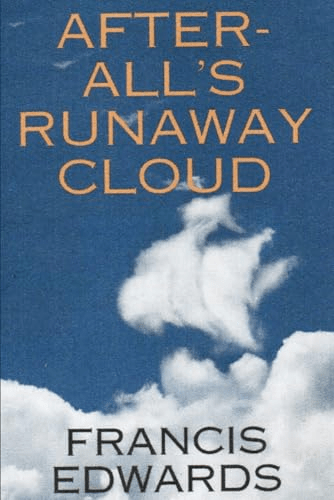
Have you ever tried to fold a dream into a postcard and mail it to your guardian angel? In After-All’s Runaway Cloud, you’ll learn just how close that concept can come to life.
Book Details
Title: After-All’s Runaway Cloud
(Note: The manuscript provided by the author was titled After a Wish.)
Author: Francis Edwards
Genre: Middle-Grade Fantasy / Adventure
A Dreamlike Parable for Young Thinkers
Francis Edwards’ After-All’s Runaway Cloud—titled After a Wish in the manuscript—isn’t your typical middle-grade fantasy. It’s part fable, part travelogue, and part cultural love letter, wrapped inside a tale of one boy’s quest to reclaim confidence and compassion.
The story follows After-All, a thoughtful but socially struggling boy who runs away from school after an embarrassing misunderstanding. He finds shelter with his cousins, only to discover a secret garden statue—a sleeping Cupid—who grants him a mysterious wish. But this isn’t a story about magic fixes. After-All must keep his wish secret and prove his heart through a series of dreams that whisk him away on a cloud-ship to visit Indigenous cultures across the world. His journey is part adventure, part introspective test—and all deeply metaphorical.
Facts Hidden in Fantasy
The strength of Edwards’ storytelling lies in its gentle fusion of real-world knowledge with whimsical storytelling. From the Maori haka to Inuit seaweed foraging to the impact of plastic pollution on albatross chicks, these dreamlike episodes are grounded in actual facts, each written with care and accessibility for young readers.
The recurring motif of writing lessons on sailcloth creates a tactile sense of learning—each culture After-All visits contributes one word: “Resilience,” “Diplomacy,” “Generosity.” These aren’t just vocabulary builders; they’re soul-markers for the reader and the character alike.
Even the magical creatures—birds that can’t or won’t fly—echo themes of self-doubt, adaptation, and misfit strength. There’s sly symbolism here, but it’s never heavy-handed.
Why the Cloud Floats
The “Tall Ship Cloud” doesn’t just carry After-All across the globe. It carries the story’s emotional weight. The cloud only moves when After-All fulfills a new cultural task, reinforcing the idea that growth requires effort, attention, and action. These aren’t just story mechanics—they’re affirmations disguised as fantasy.
After-All himself evolves quietly and steadily. There are no dramatic personality overhauls, only the subtle transformation of a young boy internalizing what it means to be resilient, open-minded, and kind. By the end, he isn’t “fixed”—he’s simply more whole. And that’s a far more powerful message.
Who This Is (and Isn’t) For
This book will resonate with readers aged 8–13 who enjoy meaningful, layered stories—especially those who appreciate The Little Prince, The Magic Tree House, or A Wrinkle in Time. It’s for the child who asks, “Why are things the way they are?” and still dares to dream differently.
However, if a reader wants fast-paced action, wizards, dragons, or grand battles, this might feel quiet. It isn’t a fantasy of explosions—it’s a fantasy of awareness, where wonder grows not from spectacle but from attention.
Wishes and Consequences
At its heart, After-All’s Runaway Cloud is a reflection on the ripple effects of even our quietest desires. The book’s gentle refrain—“Be careful what you wish for”—isn’t a warning, but a call to thoughtful dreaming. Wishes are never just wishes. They require integrity, secrecy, and effort.
By story’s end, After-All doesn’t just return home—he returns wiser, with real-world tools for surviving bullying, disappointment, and misunderstanding. These are the kinds of stories that stay with a reader long after the last page, not because of fireworks but because of truth.
Final Verdict
⭐️⭐️⭐️⭐️⭐️ 5 out of 5 stars
After-All’s Runaway Cloud is a gentle but profound adventure—one that teaches through storytelling, uplifts through character, and invites young readers to ask brave questions of the world and of themselves. Francis Edwards offers more than a tale—he offers a compass.
Wordscape Wonders Award
The book is a recipient of the Wordscape Wonders Award. At Wordscape Wonders, we believe stories are more than just words on a page—they are bridges across worlds. The Wordscape Wonders Award honors books that explore the landscapes of the human spirit, blending diverse voices with themes of love, resilience, growth, and discovery. These works invite us to journey through unfamiliar perspectives, offering a deeper appreciation for the rich kaleidoscope of life.
We’d love to hear from you!
What are your thoughts on this piece? Share your insights in the comments below!
- What stood out to you most about this post?
- Have you read a book recently that relates to the themes discussed here?
- What’s your favorite takeaway or reflection from this write-up?
Let’s keep the conversation going—your thoughts make this space richer!
Disclaimer: The content on this site is provided for informational and inspirational purposes only. While we strive for accuracy, the views expressed in reviews, articles, and recommendations are subjective and may not reflect the opinions of all readers.
We receive complimentary copies of all books we review. However, this practice does not compromise the integrity or honesty of our reviews. Every write-up reflects the contributor’s genuine impressions and critical analysis, ensuring transparency and trust with our readers.
For a complete understanding of our practices, please refer to our full Disclaimer, Privacy Policy, and Terms of Service. These documents outline how we manage your information, ensure transparency, and uphold your rights as a user.
To request for a review, to nominate your favorite book for an award, or for more details about our awards, click here.
Other Stories

Reimagining Life Through Words and Service with Debra J. White
What happens when life’s hardest blows lead to unexpected purpose? Discover how Debra turned trauma, recovery, and rescued animals into writing and volunteer work that inspires resilience and connection.
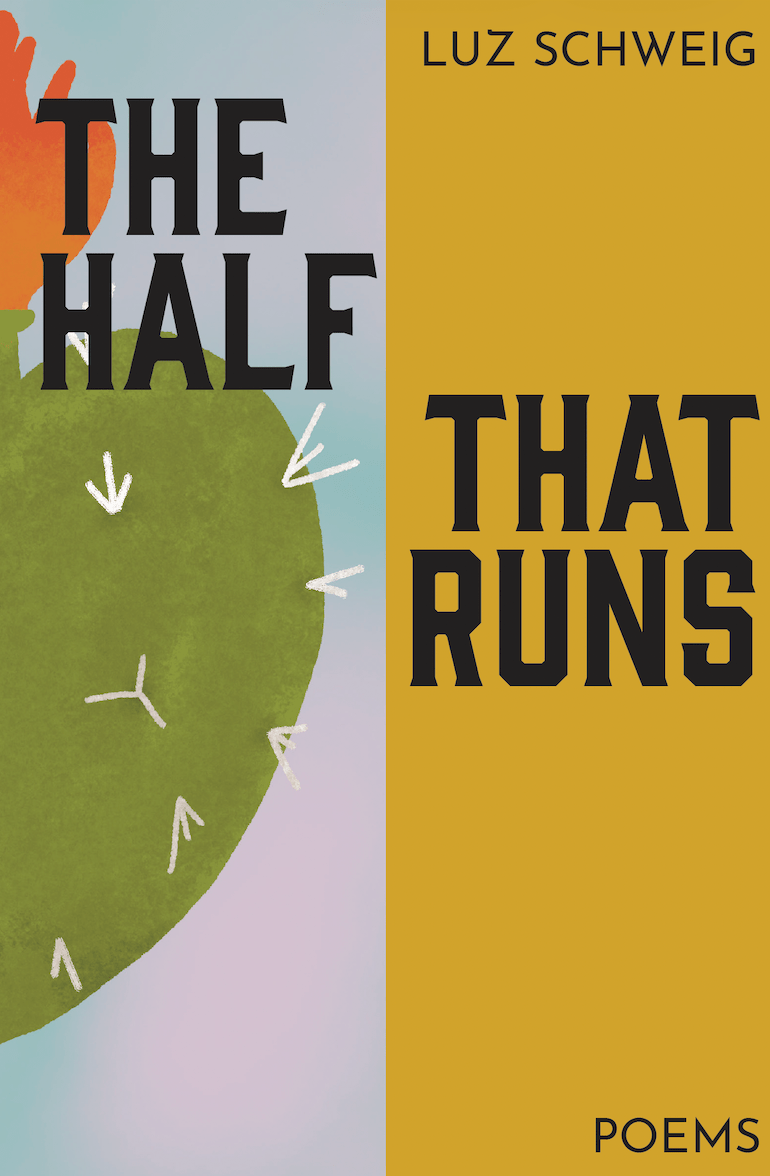
The Half That Runs by Luz Schweig
What if your memories had a geography—one that kept shifting under your feet like sand? Discover how The Half That Runs by Luz Schweig maps identity—read the full piece.
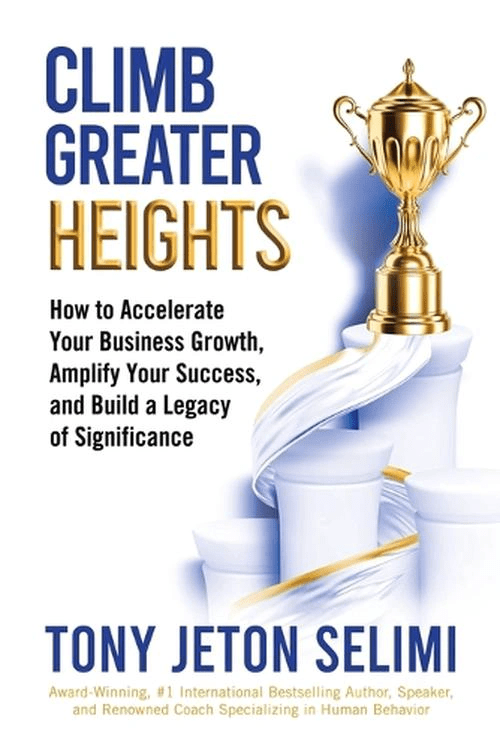
Book Review: Climb Greater Heights by Tony Jeton Selimi
What if your biggest business obstacle isn’t competition but something invisible within you? Discover the answer in Climb Greater Heights by Tony Jeton Selimi—read the full review to explore.

 OneTribune
