
Content Warning: This book includes themes of death, grief, and emotional loss, gently presented. Suitable for ages 12+.
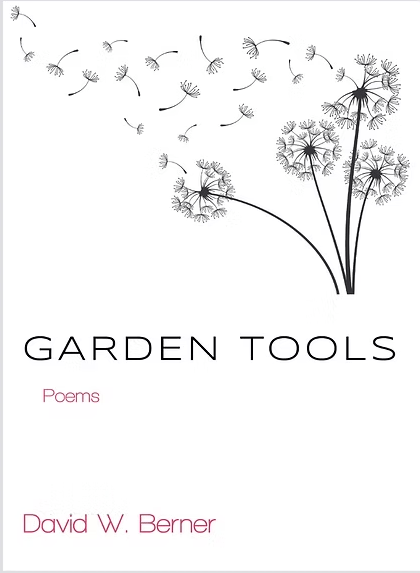
In 2020, researchers from the University of California, Berkeley found that awe—even from small, everyday experiences like watching trees sway—has tangible benefits: lowered stress markers, better focus, and improved mental health. David W. Berner’s Garden Tools functions like that moment of awe: a subtle but transformative walk through memory, aging, love, and loss.
This is not poetry that shouts—it leans in. And for the right reader, it’s a whisper that stays.
A Collection Rooted in Real Earth
Berner doesn’t force metaphors or poetic acrobatics. He watches a dog stare through a storm door, thinks of his sister’s ashes in a car floorboard, and yes, cleans garden tools while thinking about past bouquets. What’s extraordinary is how much emotional weight he lifts using the ordinary—something most poets attempt, but few deliver with this kind of grace. These are not poems that perform for applause; they exhale.
Whether he’s remembering the sound of baseball on a transistor radio or watching magnolia petals fall, he writes like someone who’s been paying attention for a very long time. You feel that. It’s poetry with muddy boots, not polished shoes.
Who It’s Not For (and That’s Okay)
This book will confuse readers looking for epic arcs, provocative language, or bite-sized poems loaded with Twitter-ready punch. It’s not a book of poetic fireworks; it’s a slow-burning candle. If you’re hoping for sarcasm, irony, or edge, this may not be your match.
But if you’ve ever cried while folding laundry, or stood in a kitchen thinking about someone who’s gone, this might be your book.
Who Will Fall in Love with It
Lovers of Mary Oliver, Billy Collins, or even early Wendell Berry will feel an instant kinship. So will readers who journal at dawn, who take their coffee to the porch just to listen to birds, who remember the way their father’s handwriting looked on a garage workbench label.
Teachers might use this in upper-level high school or college poetry units—not just because of its form, but because it teaches the value of attention. Therapists might quietly recommend it to clients who are grieving. And introverts? They might carry it in their bags like a compass.
Why It Works So Well
The language is accessible but never simple. There’s clarity here, but also layers—like when he describes a crow “wronged” by snow or a pink morning that changes his mind about a color. These are small revelations with long echoes.
The editing is clean, and the layout supports the poetry without distraction. Even the titles carry narrative pull (“If I Had the Morning,” “Waiting,” “Once a Boat”)—you already sense where they might take you, but you’re still surprised when you get there.
Lasting Impact, Quiet Brilliance
Berner’s poetry is not trying to be trendy. It doesn’t care about the algorithm. Instead, it joins the enduring lineage of poetic works that find holiness in dog fur and cracked sidewalks. It’s both spiritual and secular in the best sense: it doesn’t claim to have answers, only to ask beautiful, necessary questions.
Like a good garden, this collection won’t overwhelm on first visit. But given sunlight and silence, it will bloom inside you slowly—verse by verse, seed by seed.
If you’ve forgotten why stillness matters, Garden Tools will remind you. If you haven’t, it will thank you—for remembering.
Booknomad Tales Five Stars Award

This book is a winner of the Booknomad Tales Five Stars Award, an accolade that reflects the mission of Booknomad Tales: to explore literature that resonates universally, while celebrating the distinct voices that make global storytelling so vibrant. Whether it’s a contemporary novel, a poignant memoir, or an evocative collection of poetry, award-winning books embody the heart and soul of what it means to be a nomad of the literary world.
We’d love to hear from you!
What are your thoughts on this piece? Share your insights in the comments below!
- What stood out to you most about this post?
- Have you read a book recently that relates to the themes discussed here?
- What’s your favorite takeaway or reflection from this write-up?
Let’s keep the conversation going—your thoughts make this space richer!
Disclaimer: The content on this site is provided for informational and inspirational purposes only. While we strive for accuracy, the views expressed in reviews, articles, and recommendations are subjective and may not reflect the opinions of all readers.
We receive complimentary copies of all books we review. However, this practice does not compromise the integrity or honesty of our reviews. Every write-up reflects the contributor’s genuine impressions and critical analysis, ensuring transparency and trust with our readers.
For a complete understanding of our practices, please refer to our full Disclaimer, Privacy Policy, and Terms of Service. These documents outline how we manage your information, ensure transparency, and uphold your rights as a user.
To request for a review, to nominate your favorite book for an award, or for more details about our awards, click here.
Other Stories
Beyond the Obstacle – Stories of Resilience, Courage, and Overcoming
Here are some powerful books that take readers beyond the obstacle and into the light of victory.
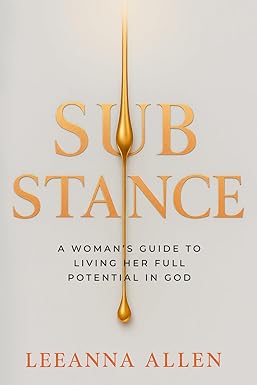
Substance: A Woman’s Guide to Living Her Full Potential in God by Leeanna Allen
What if the thing quietly shaping your life isn’t your personality, past, or plans? Substance by Leeanna Allen invites you to discover the answer—inside the full review.
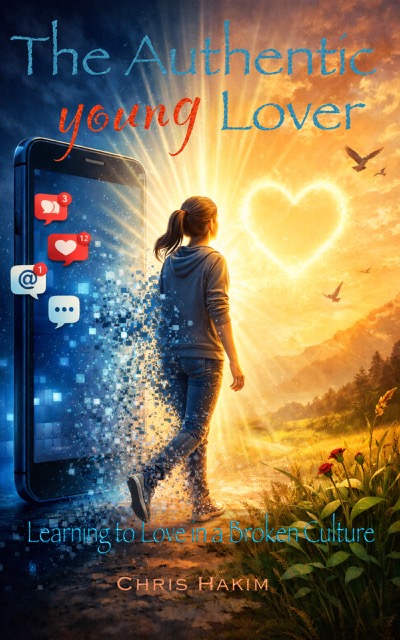
The Authentic Young Lover by Chris Hakim
What if your biggest obstacle to love isn’t rejection, apps, or bad luck—but something you’re doing without noticing? The Authentic Young Lover by Chris Hakim invites you to find out.

 OneTribune
