
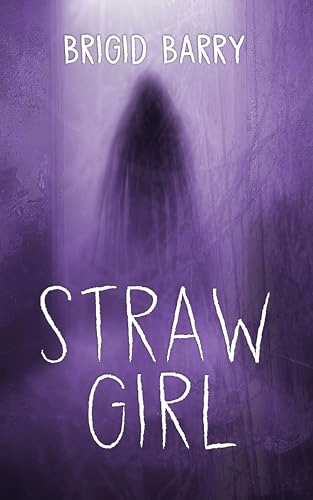
At first glance, Straw Girl appears to be a supernatural memoir wrapped in the guise of fiction. But spend a few chapters in its pages and it becomes clear that the haunting goes deeper than creaky floorboards or whispered threats from the beyond. It’s psychological, autobiographical, emotional, and yes—spiritual.
The novel follows Mel, an Air Force veteran adjusting to civilian life, as she takes a last-ditch house-sitting job that places her inside a known haunted farmhouse. At night, the house is chilling. Literally. Every spectral footstep, every door opening without a sound, blurs the line between psychological unrest and paranormal activity.
But here’s the trick: the ghosts may not be the scariest thing in this house.
A Ghost Story with Grounded Trauma
What elevates Straw Girl is how it ties supernatural disturbance to the psychological trauma of its narrator. Mel’s experiences with harassment, assault, and institutional gaslighting are real—and visceral. She wakes from nightmares that have nothing to do with spirits but everything to do with memory. These scenes are not gratuitous but essential, offering a mirror between the ghostly “let me in” pleas of the dead and the equally unrelenting memories that break into her consciousness.
To that point, neuroscientific studies have found that PTSD sufferers often experience heightened sensitivity to environmental cues—like sound, light, and even temperature. The book exploits these phenomena to deepen the horror, anchoring its ghost story in somatic realism. When Mel shivers under three blankets, we shiver too.
Who It’s For
This is not your average horror story. It’s for readers who crave emotional complexity, not just jump scares. If you’re drawn to ghost stories like Shirley Jackson’s The Haunting of Hill House or Jennifer McMahon’s The Winter People—where psychological trauma and supernatural ambiguity coexist—you’ll find Straw Girl deeply rewarding.
It’s not for readers looking for gore, cheap thrills, or easy answers. Nor is it suited for readers uncomfortable with mature themes or those seeking a family-friendly, “cozy” paranormal tale.
What Sets It Apart
- No AI Used: Barry’s declaration that the book is free from generative AI offers a nostalgic return to handcrafted storytelling. You feel her presence on every page.
- Military Accuracy and Realism: The military background isn’t just window dressing. The book reflects authentic protocols, emotions, and fallout from service.
- Unreliable Memory as a Narrative Device: Mel’s uncertainty about whether she’s imagining things is more compelling than the ghosts themselves.
- Hauntings as Unprocessed History: Just as the farmhouse has “no-go” zones, so too does Mel’s psyche. The metaphor is elegant and chilling.
Constructive Takeaways
While the book masterfully blends trauma and the paranormal, some readers may find the pace slow during exposition-heavy sections. The blend of diary-like introspection with plot-driven tension can feel uneven at times. Still, this gives the reader room to breathe and reflect—a necessity when processing a story that feels eerily possible.
Content Warning
This book contains strong language, depictions of trauma and sexual assault, paranormal elements, and psychological distress. Reader discretion is strongly advised for sensitive topics.
We’d love to hear from you!
What are your thoughts on this piece? Share your insights in the comments below!
- What stood out to you most about this post?
- Have you read a book recently that relates to the themes discussed here?
- What’s your favorite takeaway or reflection from this write-up?
Let’s keep the conversation going—your thoughts make this space richer!
Disclaimer: The content on this site is provided for informational and inspirational purposes only. While we strive for accuracy, the views expressed in reviews, articles, and recommendations are subjective and may not reflect the opinions of all readers.
We receive complimentary copies of all books we review. However, this practice does not compromise the integrity or honesty of our reviews. Every write-up reflects the contributor’s genuine impressions and critical analysis, ensuring transparency and trust with our readers.
For a complete understanding of our practices, please refer to our full Disclaimer, Privacy Policy, and Terms of Service. These documents outline how we manage your information, ensure transparency, and uphold your rights as a user.
To request for a review, to nominate your favorite book for an award, or for more details about our awards, click here.
Other Stories

Carmella Parker on Law, Education, and Guiding Institutions Through Change
How do you teach students about laws that are still being written? This interview explores one legal educator’s answer—revealed through experience, strategy, and real-world change inside the evolving legal landscape.
The Stress Book by Dr. D. Terrence Foster
What do dental floss, your Wi-Fi signal, and your unresolved childhood goals have in common? Surprisingly, a lot. Read on to see how they all tie into your everyday stress—and how this book untangles it.
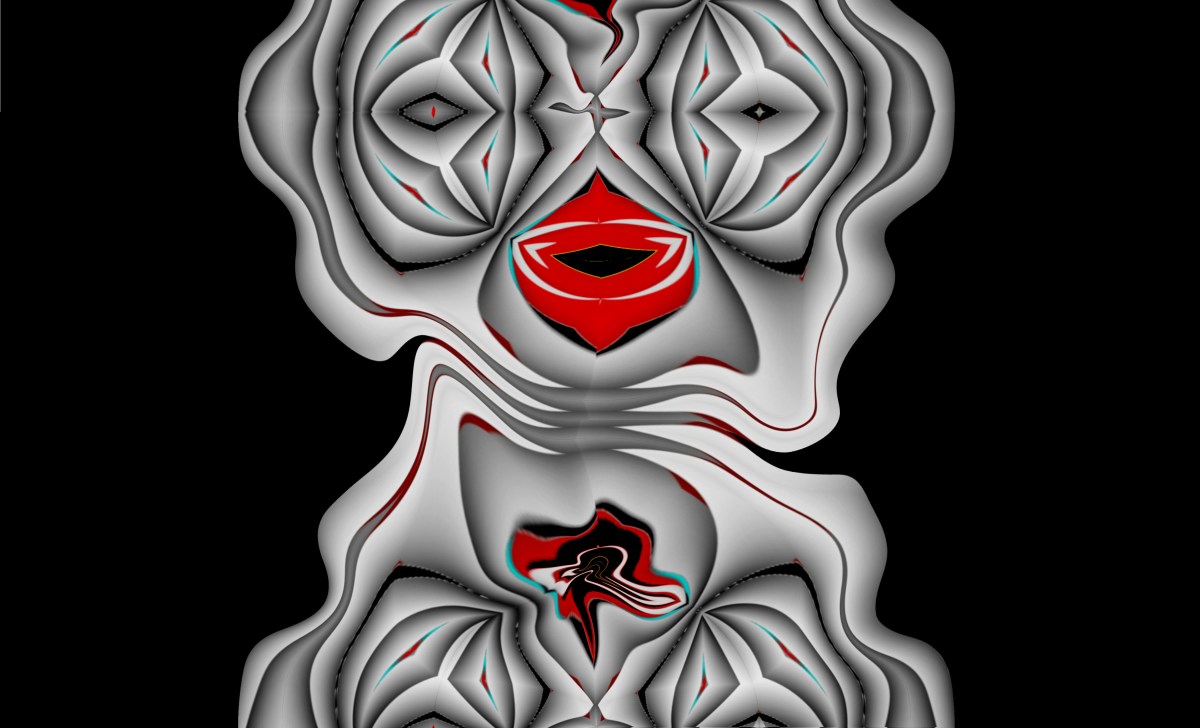
Grieving Ic by Edward Michael Supranowicz
What does a feeling look like when it turns symmetrical? Spend time with Edward Michael Supranowicz’s artwork, let its forms speak, and discover meaning by lingering with the image quietly.

 OneTribune