

Mary L. Schmidt, author of Shadow, addresses the challenging subject of pet loss and grief in a way that resonates with both children and families. In this interview, she shares insights on how her personal experiences shaped the book and how it can help children tackle these difficult emotions.
Thank you for joining us, Mary. Let’s start with the emotional core of Shadow. Was there a specific moment or memory that triggered the creation of this story?
A real pet, Shadow, was the inspiration for this book. As a child, pets died and no one helped. This time, Shadow died—and this time, the concept and principles around pet loss can be taught at an early age, especially when a child’s best friend or a family member loses a pet.
What was it like to revisit your memories of Shadow during the creative process? Was it healing, painful, or a mix of both?
It was therapeutic, to be sure. The whole family took part in this. The kids drew pictures of Shadow. A special plant was planted, and feelings of grief and loss were expressed and managed in a healthy manner.
You’ve successfully published numerous children’s books. How does Shadow stand apart from your other works in terms of emotional weight or purpose?
Shadow is singular in the fact that it deals with pet loss. Pet loss stands apart from my other books—such as one about bullying. Each book has a specific topic, so they all stand alone.
Many parents find it hard to talk about grief with their children. How did you strike the balance between honesty and comfort in your storytelling?
Tell your child the truth. Tell them it was time. Let your child scream and cry. They must let these emotions out. Once more calm, sit down as a family so each member can talk about their feelings. It helps children if they know their mom and dad have grief and sadness, too. Bring up happy memories, and soon, you will see a smile here and there. This is a time for pulling together as a family.
The illustrations in children’s books often carry as much emotional weight as the words themselves. How did you approach the visual storytelling in Shadow?
Shadow was a real pet, so real drawings were used. It is much easier to write about a pet if it is a real pet. Being a real pet, with real loss and real grief, can be conveyed realistically in the illustrations.
Your background in nursing gives you a deep understanding of emotional healing. Were there moments while writing Shadow when your medical training shaped the way you addressed grief?
Yes. I used the psychological aspect of losing a pet—the stages of loss by Dr. Elisabeth Kübler-Ross, whom I did know in real life. In helping children, you need to know how to reach them.
One unique feature of the book is the inclusion of parental tips at the end. Can you walk us through the decision to add this section and what kind of feedback you’ve received from parents?
Personal loss and pet loss need to be dealt with honestly and truthfully. My nursing research, along with personal loss from losing Shadow and previous pets, led to the tips I offer to parents. This was done when Shadow passed. It became a family event—drawing pictures of Shadow, planting a plant named in her honour, bringing up happy memories. All of that contributes to healing for children and parents.
Grief is deeply personal, but your book encourages shared healing. What would you say to families who are grieving together but struggling to connect emotionally?
Talk about your thoughts, your anger, your sadness—simply how each person feels. A parent might only be able to connect with one child at first, but the time comes when all can sit together and share. This is the only healthy way to move through grief.
You also mention using nature—like planting a tree—in the healing process. Why do you think symbolic gestures like this resonate so deeply with children?
That tree, rose bush, or plant keeps happy thoughts of the pet alive. Each family member will feel like their pet is still with them.
Many children today may also face grief over a friend’s pet or even collective grief through stories in the media. Do you think Shadow could be used in classroom or group settings to start conversations about loss and empathy?
Yes! This book is perfect to start discussions in a healthy manner in a safe space such as a schoolroom. Despite school shootings, most schools are safer than ever, and kids are exposed to so much in the media. They don’t know how to deal with many things. In the classroom, with other kids they know, helps them do just that.
Related
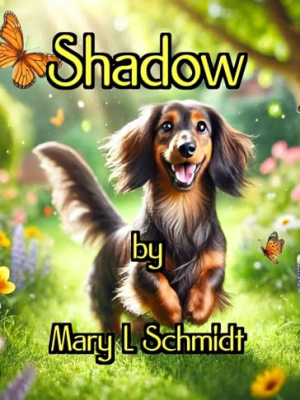
Review of Shadow by Mary & Michael Schmidt
Have you ever wondered why ancient Romans wrote tombstones for their dogs? Grief is timeless, and Shadow explores how we help children through their first loss. Read on to discover more.
Keep readingWe’d love to hear from you!
What are your thoughts on this piece? Share your insights in the comments below!
- What stood out to you most about this post?
- Have you read a book recently that relates to the themes discussed here?
- What’s your favorite takeaway or reflection from this write-up?
Let’s keep the conversation going—your thoughts make this space richer!
Disclaimer: The content on this site is provided for informational and inspirational purposes only. While we strive for accuracy, the views expressed in reviews, articles, and recommendations are subjective and may not reflect the opinions of all readers.
We receive complimentary copies of all books we review. However, this practice does not compromise the integrity or honesty of our reviews. Every write-up reflects the contributor’s genuine impressions and critical analysis, ensuring transparency and trust with our readers.
For a complete understanding of our practices, please refer to our full Disclaimer, Privacy Policy, and Terms of Service. These documents outline how we manage your information, ensure transparency, and uphold your rights as a user.
To request for a review, to nominate your favorite book for an award, or for more details about our awards, click here.
Other Stories
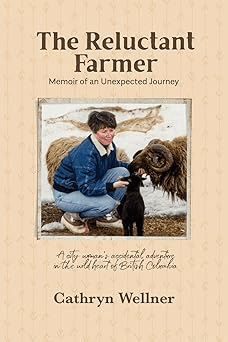
The Reluctant Farmer: Memoir of an Unexpected Journey by Cathryn Wellner
Have you ever wondered what a piglet, a runaway ram, and a hesitant city dweller could possibly teach about courage? Discover the surprising answers in The Reluctant Farmer by Cathryn Wellner.

Holy Parrot by Angel A
Holy Parrot tosses together what seems like the setup for a comic sketch, then deftly morphs it into a deeply human, tender, and investigative journey.

Carmella Parker on Law, Education, and Guiding Institutions Through Change
How do you teach students about laws that are still being written? This interview explores one legal educator’s answer—revealed through experience, strategy, and real-world change inside the evolving legal landscape.

 OneTribune