

Can a story about a boiling pot of soup change how we see ourselves and others? Isabela Sardas, in Belle and Chloe: Reflections in the Mirror, answers with a resounding yes. From the first tender moments shared by the twin sisters to the sobering realities of a traumatic accident, Sardas crafts a tale that not only stirs but transforms. While the book is categorized as a children’s story, its themes—resilience, identity, and healing—transcend age.
This is not merely a narrative; it is a psychological kaleidoscope. Sardas, drawing from her extensive background in clinical psychology, offers a nuanced portrayal of trauma and recovery. Consider the unspoken guilt of Belle’s mother, wrapped in both love and remorse. The scene where Belle reassures her mother, despite her own pain, feels almost Shakespearean in its emotional weight: “It was just an accident, Mom, and I don’t blame you.” It’s a moment that lingers, asking readers to confront their own notions of fault and forgiveness.
The depiction of Chloe’s jealousy is no less compelling. Sardas resists the temptation to paint her as selfish or uncaring. Instead, she gives us a girl grappling with her own displacement, her confusion as palpable as her love for her sister. It’s in these quiet, complex emotions that the book shines brightest. When Chloe visits a henna artist to mimic Belle’s scars, one might be reminded of Picasso’s words: “Art washes away from the soul the dust of everyday life.” Here, art becomes a bridge—a way for Chloe to say, “I see you; I honor you.”
Statistics about burn injuries and their long-term effects on mental health might seem out of place in a review, but they’re worth mentioning. According to a 2022 study by the American Burn Association, over 480,000 people receive medical treatment for burns annually in the U.S. alone, with many struggling with PTSD and body image issues. Belle and Chloe humanizes these statistics, offering readers not just empathy but understanding.
And then there are the illustrations. More than mere accompaniments, they breathe life into the story. A picture of Belle hugging Muffin, her dog, after reflecting on her scars feels almost allegorical. Isn’t that what we all want when we feel broken—someone to stay, to listen, even if they cannot fully understand?
Mark Twain famously wrote, “The secret source of humor itself is not joy but sorrow.” Sardas doesn’t give us humor in the traditional sense, but she does offer hope born from sorrow. This book does not shy away from the pain of Belle’s journey. It invites readers into the rawness of her tears, her fear, her isolation. But in doing so, it also shows them the path to resilience, to joy.
In the end, Belle and Chloe isn’t just a story about a burn survivor. It’s a story about what it means to survive at all—to face life’s challenges, to carry scars both seen and unseen, and to find, in the mirror, a reflection worth loving. Sardas has crafted more than a book; she has gifted readers an emotional lifeline.
Words Across the Waters Book Award
The book is a Words Across the Waters Book Award winner, celebrated as one of the books that go beyond the surface and offer readers deep cultural insights and transformative experiences. Whether a work of fiction, memoir, or poetry collection, we seek stories that are not only well-crafted but also offer windows into the lives, traditions, and histories that shape our world. Our award-winning books challenge us to see through the eyes of others, face unfamiliar experiences, and reflect on the universal themes that bind us together.
We’d love to hear from you!
What are your thoughts on this piece? Share your insights in the comments below!
- What stood out to you most about this post?
- Have you read a book recently that relates to the themes discussed here?
- What’s your favorite takeaway or reflection from this write-up?
Let’s keep the conversation going—your thoughts make this space richer!
Disclaimer: The content on this site is provided for informational and inspirational purposes only. While we strive for accuracy, the views expressed in reviews, articles, and recommendations are subjective and may not reflect the opinions of all readers.
We receive complimentary copies of all books we review. However, this practice does not compromise the integrity or honesty of our reviews. Every write-up reflects the contributor’s genuine impressions and critical analysis, ensuring transparency and trust with our readers.
For a complete understanding of our practices, please refer to our full Disclaimer, Privacy Policy, and Terms of Service. These documents outline how we manage your information, ensure transparency, and uphold your rights as a user.
To request for a review, to nominate your favorite book for an award, or for more details about our awards, click here.
Other Stories
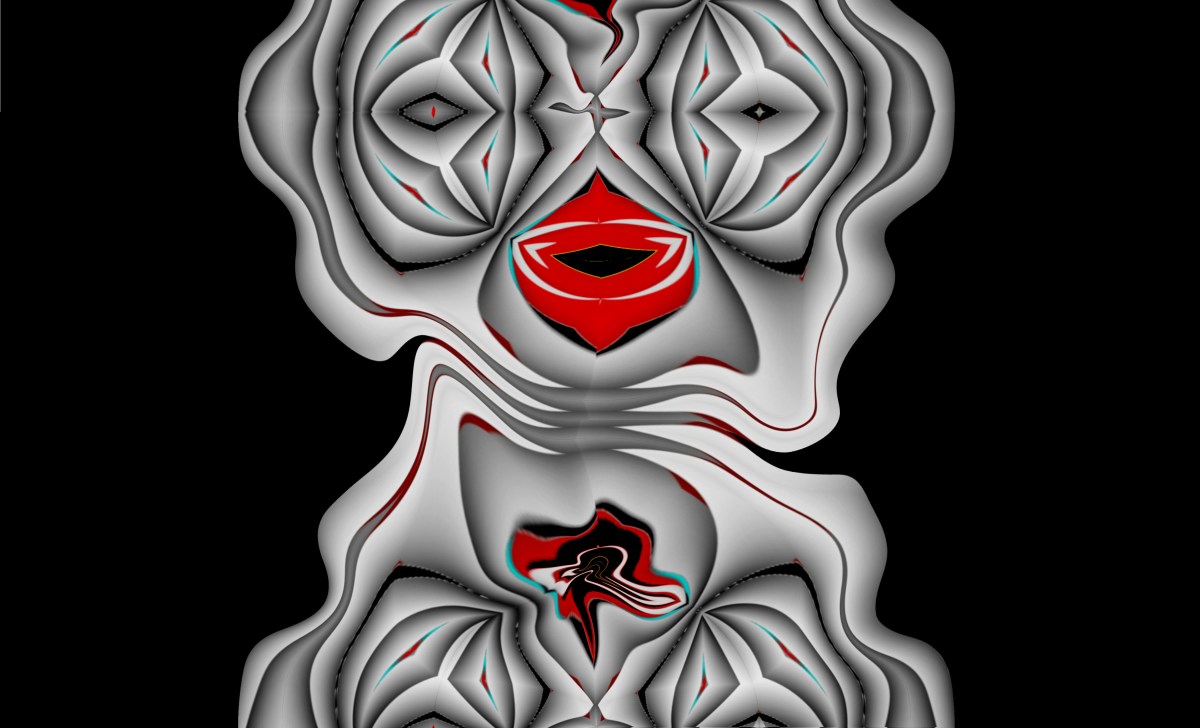
Grieving Ic by Edward Michael Supranowicz
What does a feeling look like when it turns symmetrical? Spend time with Edward Michael Supranowicz’s artwork, let its forms speak, and discover meaning by lingering with the image quietly.

Book Review: The Stress Book by Dr. D. Terrence Foster
If an octopus could text, juggle, cook, plan a future, soothe trauma, and still feel behind—would it read The Stress Book? You’ll find out why that’s relevant as you read on.
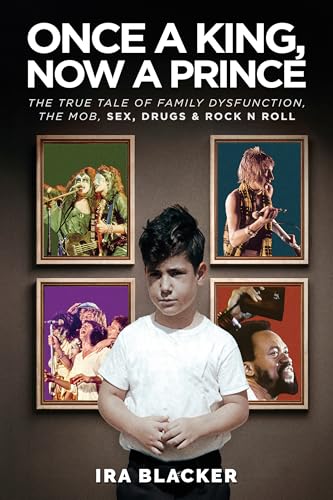
Once A King, Now A Prince by Ira Blacker
What happens when imagination becomes a survival skill instead of a pastime? Once A King, Now A Prince by Ira Blacker reveals the answer—if you’re willing to follow the journey.

 OneTribune
