
Amazon link: https://www.amazon.com.au/Ballad-Billy-Lopez-Stewart-McKay-ebook/dp/B0DMN9ZVKM/
Some books whisper their truths, and others bellow them. Stewart McKay’s The Ballad of Billy Lopez is one of those rare novels that doesn’t just tell a story; it pulls you into its orbit, unapologetically showcasing the unfiltered realities of life on the fringes of society. Set against the backdrop of a small Southern U.S. town in the 1980s, this is not merely a tale of two teenage boys tackling friendship and forbidden romance—it’s a dissection of the invisible threads that bind us, even as society demands they stay frayed.
But let’s peel back the obvious narrative layers and go deeper into the book’s unsung genius.
The Linguistic Craftsmanship of a Disenfranchised Narrator
Brad Hart, the protagonist and narrator, doesn’t just speak; he spits. His language is coarse, riddled with profanity, fragmented grammar, and a rhythm that mirrors the disjointed, frenetic pulse of his existence. Yet beneath the surface, McKay wields Brad’s vernacular like a scalpel, cutting into the very marrow of systemic inequality.
Statistically speaking, over 43 million Americans live in poverty, with adolescent males disproportionately affected by cycles of abuse, neglect, and lack of opportunity. Brad’s voice—a fusion of raw emotion and unintentional poetry—isn’t just a character choice; it’s a linguistic microcosm of generational disenfranchisement.
Consider the historical context: the 1980s were the height of what they call “Reaganomics,” often described as a time when the wealth gap widened like a canyon. Brad’s broken sentences are not just his—they are the syntax of a so-called “forgotten America,” alluded to as the language of children whose dreams are starved before they are born.
Broken Boys and the Myth of the American Dream
The friendship between Brad and Billy Lopez, who comes from a more privileged but equally fractured background, challenges the 20th-century archetype of the “American boy.” Are they Huck and Jim from Twain’s Adventures of Huckleberry Finn, rewriting their escape down the river for the 1980s? Or are they Holden Caulfield split in two—a pair of boys trying to make sense of the phonies around them?
Famed author James Baldwin once said, “Love does not begin and end the way we seem to think it does. Love is a battle, love is a war.” This quote perfectly encapsulates Brad and Billy’s dynamic. Their connection begins with hostility and grows into something tender yet combustible, an emotional Molotov cocktail that both saves and destroys them.
Isn’t that what adolescence is—a battlefield where identity, sexuality, and societal expectations clash?
Who Writes the Rules of Respectability?
Let’s talk about Billy’s family. On the surface, they are the model of suburban success: two cars, a well-kept home, and an illusion of stability. But McKay doesn’t let us rest easy. Beneath their curated exterior lies emotional repression—a theme echoed in Brad’s home, albeit without the shiny packaging.
McKay forces us to ask: Who decides what is normal? Is Billy’s repressed, achievement-driven life any better than Brad’s chaotic, survivalist one? And in a world that rewards conformity over authenticity, isn’t Brad the freer of the two?
A 2018 study by the American Psychological Association revealed that perfectionist tendencies among teens have risen by 33% since the late 1980s. Billy’s quiet desperation is the literary embodiment of that statistic—a haunting reminder that privilege often comes with its own chains.
Sexual Identity in the Shadows of the Bible Belt
One of the book’s most challenging yet brilliant decisions is its unflinching portrayal of Brad’s survival sex work. It’s easy to dismiss this as shock value, but McKay doesn’t allow us that luxury. Instead, he forces readers to confront the socio-economic realities that push vulnerable youth into such choices.
Here’s a chilling fact: according to the National Center for Missing and Exploited Children, 1 in 7 runaway teens is likely to become involved in sex trafficking, a statistic that underscores Brad’s plight. But McKay doesn’t frame Brad as a victim—he’s resourceful, even defiant. His work isn’t just about money; it’s a middle finger to a world that’s failed him.
Final Thoughts: A Ballad Worth Singing
If The Ballad of Billy Lopez were a song, it would be a punk anthem—chaotic, blistering, and unrepentant. But like all great punk songs, it has an unexpected heart. By the end, you’re left not just with the story of two boys but with a mirror held up to a society that prefers its misfits quiet and its scandals invisible.
As Brad might say: “You think you know everything, don’t you? But you don’t know shit.”
And maybe that’s the book’s greatest gift—it reminds us how little we know about the lives we pass by every day.
Atlas of Stories Award
This book is a recipient of the Atlas of Stories Award, an accolade that celebrates works mapping the literary world with creativity and depth. Aligned with our mission of “Mapping the World Through Books,” this award honors stories that inspire, educate, and entertain while transcending cultural and imaginative borders. These remarkable narratives explore universal themes, fostering connection and understanding as they take readers on a journey through the richness of global storytelling.
We’d love to hear from you!
What are your thoughts on this piece? Share your insights in the comments below!
- What stood out to you most about this post?
- Have you read a book recently that relates to the themes discussed here?
- What’s your favorite takeaway or reflection from this write-up?
Let’s keep the conversation going—your thoughts make this space richer!
Disclaimer: The content on this site is provided for informational and inspirational purposes only. While we strive for accuracy, the views expressed in reviews, articles, and recommendations are subjective and may not reflect the opinions of all readers.
We receive complimentary copies of all books we review. However, this practice does not compromise the integrity or honesty of our reviews. Every write-up reflects the contributor’s genuine impressions and critical analysis, ensuring transparency and trust with our readers.
For a complete understanding of our practices, please refer to our full Disclaimer, Privacy Policy, and Terms of Service. These documents outline how we manage your information, ensure transparency, and uphold your rights as a user.
To request for a review, to nominate your favorite book for an award, or for more details about our awards, click here.
Other Stories

Reimagining Life Through Words and Service with Debra J. White
What happens when life’s hardest blows lead to unexpected purpose? Discover how Debra turned trauma, recovery, and rescued animals into writing and volunteer work that inspires resilience and connection.
The Half That Runs by Luz Schweig
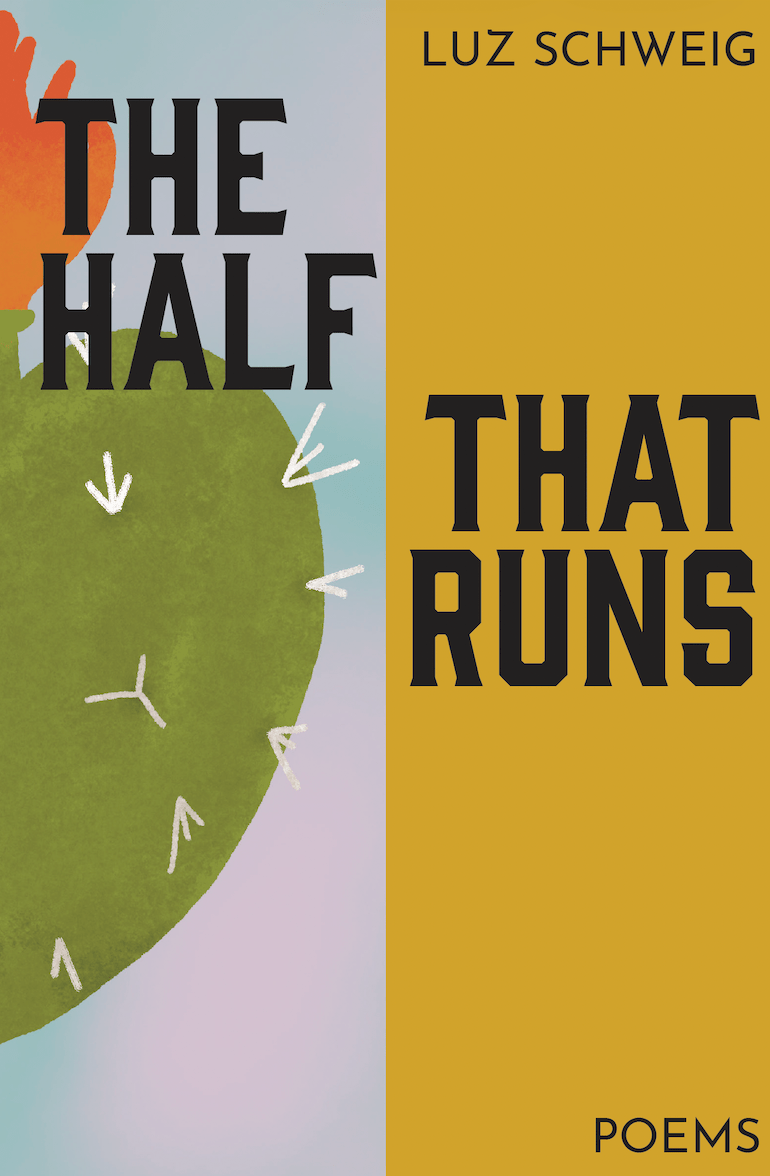
What if your memories had a geography—one that kept shifting under your feet like sand? Discover how The Half That Runs by Luz Schweig maps identity—read the full piece.
Book Review: Climb Greater Heights by Tony Jeton Selimi
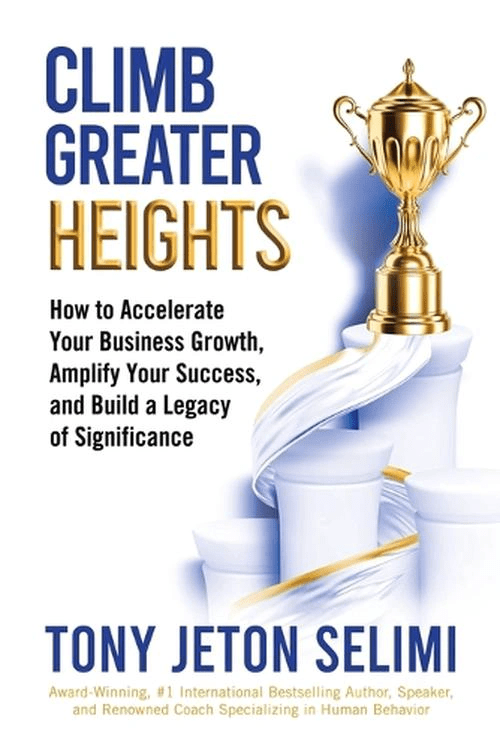
What if your biggest business obstacle isn’t competition but something invisible within you? Discover the answer in Climb Greater Heights by Tony Jeton Selimi—read the full review to explore.

 OneTribune