
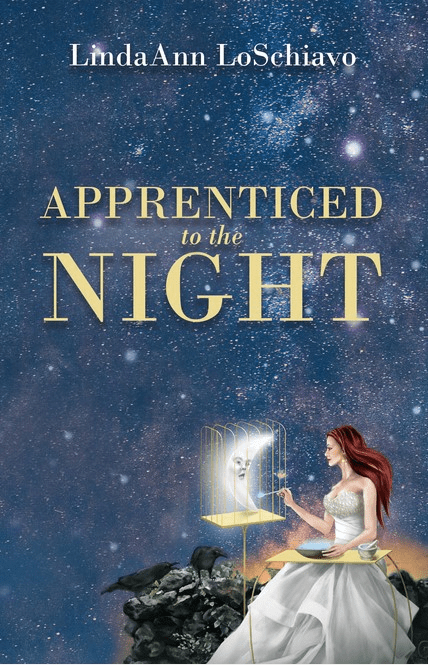
Amazon link: https://www.amazon.com.au/Apprenticed-Night-LindaAnn-LoSchiavo/dp/1915025788
What Do Poems and Ghosts Have in Common?
Edgar Allan Poe once wrote, “The past is a pebble in my shoe.” He meant that memory, once lodged, follows us everywhere, reshaping our steps. LindaAnn LoSchiavo’s Apprenticed to the Night embodies this sentiment, turning personal history into something felt rather than merely read. More than a poetry collection, it is a séance for the unspoken, a conversation with the echoes of childhood, loss, and identity.
Most readers approach poetry expecting rhythm, imagery, and emotion. But what about the things they overlook—the architecture of form, the fusion of languages, the coded references that whisper between the lines? This review uncovers the overlooked details that make this book an experience rather than a collection of words.
The Mathematics of Memory
People often assume poetry is all about feeling, but what if it’s also about precision? A study by the University of California found that structured writing—sonnets, villanelles, even golden shovels—enhances memory retention. LoSchiavo’s work, rich in form, does not just express but engraves, ensuring that certain lines stick to the mind long after the book is closed.
Consider “Golden Shovel: Night’s Nemesis”—a poem where borrowed lines become scaffolding for entirely new meaning. The form is not decoration; it’s an intentional act of layering, forcing readers to hold past and present in the same breath. Just as memories refuse to be linear, these poems twist and refract, demanding to be revisited.
Ancestry in the Fine Print
Most readers will recognize Apprenticed to the Night as a deeply personal collection, but how many will notice its function as an unofficial historical document? Poetry has long preserved history when official records failed—Sappho’s fragments, Harlem Renaissance sonnets, Indigenous oral traditions.
LoSchiavo’s Italian-American heritage bleeds into her work, from “Grandpa Umberto’s Fig Trees” to “The Rite of Pummarola.” These are not just nostalgic snapshots but living relics, preserving immigrant narratives that often fade into generalized history. Each stanza is a thread, tying the personal to the collective, ensuring that cultural memory does not dissolve in assimilation’s tide.
The Physics of Absence
If grief could be measured, what would its weight be? Neuroscientists argue that loss imprints the brain much like trauma, reshaping neural pathways permanently. LoSchiavo captures this phenomenon in “Mother on Morphine” and “His Funeral Without Me.” The absence of a person does not mean the absence of their influence. Their shadows dictate movement, their silence speaks louder than presence.
Through calculated restraint and deliberate repetition, her poetry mirrors how the mind processes grief—not in neat stages but in recurring waves, in the sudden revisiting of a hospital corridor, in the unshakable scent of a childhood home long after it’s been left behind.
What the Casual Reader Will Miss
Some might breeze through Apprenticed to the Night, absorbing the themes of love, loss, and self-discovery at face value. But hidden in its structure is a subtle rebellion. The book challenges literary traditions by blending classical forms with modern concerns, by interweaving English with Italian, by forcing the reader to confront nostalgia’s dual nature—both comfort and curse.
For those willing to read between the lines, this book is not just a collection of poems. It is an act of remembering, a map of inherited grief, and an argument that the past is never quite finished with us.
Who Will Love It? Who Won’t?
If you love meticulously crafted poetry with historical and cultural depth, this collection will speak to you. Fans of Sylvia Plath, Rita Dove, and Louise Glück will appreciate its blend of personal confession and precise craft. However, those seeking casual, light verse may find its depth demanding. This is not poetry for passive consumption—it requires engagement, reflection, and a willingness to listen to the ghosts it conjures.
Final Thoughts
Apprenticed to the Night is more than poetry; it is an exercise in preservation. Just as a sculptor chips away at marble to reveal the form within, LoSchiavo carves through time, unearthing the stories we carry even when we think we have left them behind. If poetry is, as Seamus Heaney said, “the redress of the past,” then this book is its chisel—sharpened, deliberate, and unrelenting.
Content Warning
This collection explores themes of grief, illness, trauma, and body image struggles. While there is no graphic content, the emotional weight may be intense for some readers.
Book World Front Award
This book is a winner of the Book World Front Award, an accolade that celebrates extraordinary literature from around the globe. It honors stories that bring universal themes to life and resonate across cultures. Aligned with our mission to explore the world through words, this award spotlights voices that inspire, connect, and showcase the power of global storytelling—where every story takes center stage.
We’d love to hear from you!
What are your thoughts on this piece? Share your insights in the comments below!
- What stood out to you most about this post?
- Have you read a book recently that relates to the themes discussed here?
- What’s your favorite takeaway or reflection from this write-up?
Let’s keep the conversation going—your thoughts make this space richer!
Disclaimer: The content on this site is provided for informational and inspirational purposes only. While we strive for accuracy, the views expressed in reviews, articles, and recommendations are subjective and may not reflect the opinions of all readers.
We receive complimentary copies of all books we review. However, this practice does not compromise the integrity or honesty of our reviews. Every write-up reflects the contributor’s genuine impressions and critical analysis, ensuring transparency and trust with our readers.
For a complete understanding of our practices, please refer to our full Disclaimer, Privacy Policy, and Terms of Service. These documents outline how we manage your information, ensure transparency, and uphold your rights as a user.
To request for a review, to nominate your favorite book for an award, or for more details about our awards, click here.
Other Stories
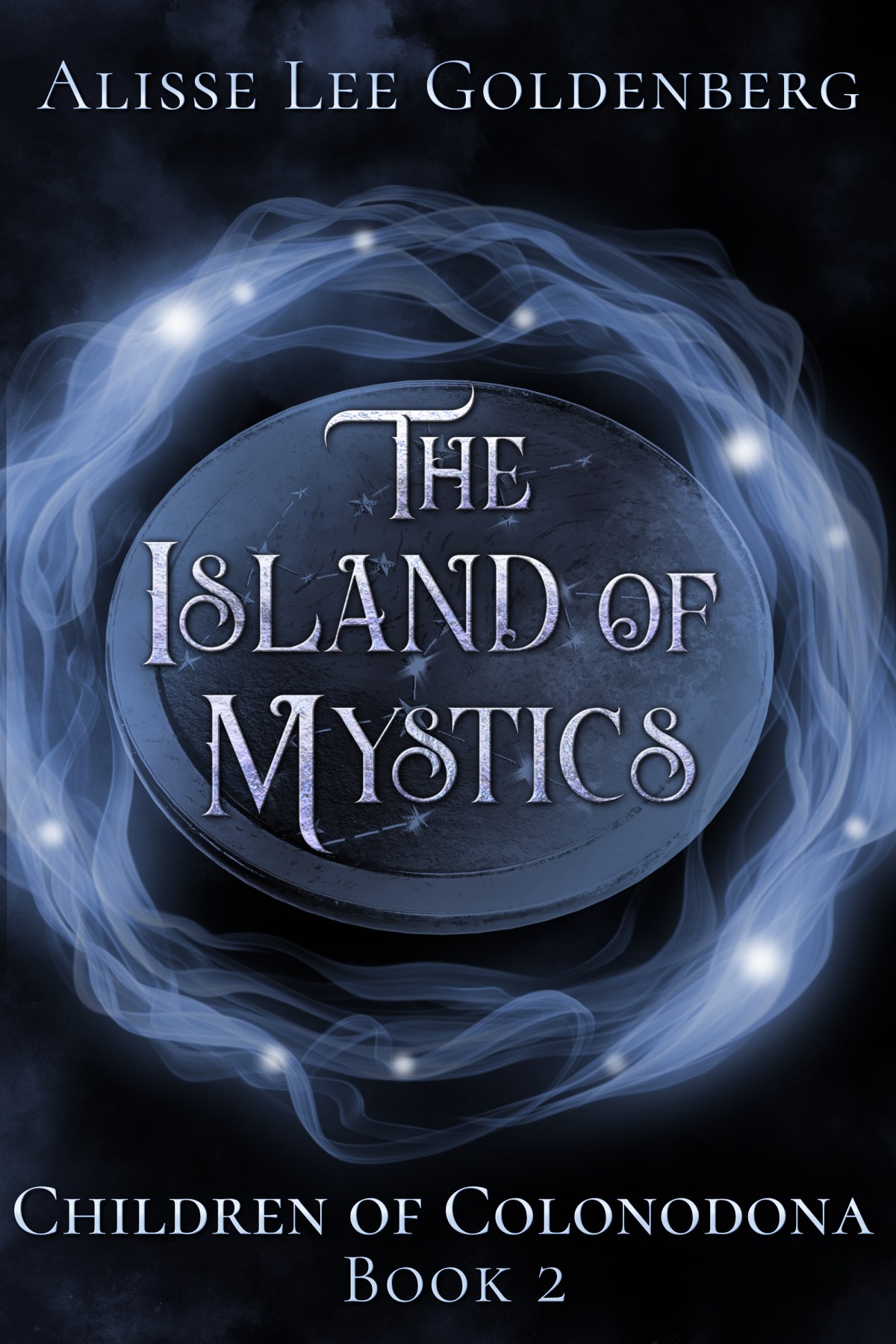
Book Review: The Island of Mystics by Alisse Lee Goldenberg
Can two runaways outrun their own thoughts? In The Island of Mystics by Alisse Lee Goldenberg, follow a journey where escape may reveal more than staying ever could.

Growth Unlocked – Books That Show the Power of Transformation
Personal growth is often a journey of trials, resilience, and, ultimately, transformation. In literature, these journeys reveal the potential within us to change, evolve, and discover our truest selves—even in the face of adversity. “Growth Unlocked” stories tap into the essence of self-discovery, resilience, and the process of becoming something more than we once were.…

Learning from the Land: A Conversation with Cathryn Wellner on Life’s Unexpected Lessons
Ever wondered what it’s like to raise sheep, pigs, and camels while learning life lessons along the way? Cathryn Wellner shares her unexpected journey, and readers will discover how she adapted and thrived.

 OneTribune
