
What does it mean to see yourself reflected in another—and then, in an instant, not? Belle and Chloe: Reflections in the Mirror by Isabela Sardas, Ph.D., is not just a children’s book; it’s a poignant exploration of identity, resilience, and the enduring power of connection.
Imagine twins, Belle and Chloe, so alike that even their teachers can’t tell them apart. Now imagine the delicate symmetry of their world shattered by a pot of boiling soup. Belle’s burns are not just physical—they scorch the very fabric of her identity, her confidence, and her connection with her sister. Yet, the real miracle here isn’t the eventual fading of pain but the quiet alchemy of healing, courage, and familial love.
Sardas weaves a narrative that treads carefully between pain and hope, much like the cautious steps Belle takes post-recovery. The accident that changes Belle’s life mirrors the countless ways children confront identity shifts: bullying, illnesses, or even something as simple as growing up. Sardas ensures Belle’s story resonates universally by focusing on the emotional truths of her journey, all while anchoring it in culturally specific details, such as the vivid metaphor of scars as “special body art.”
Did you know that in many cultures, scars and markings are viewed as symbols of strength and individuality? The author, with her background in psychology, leans into this global perspective, introducing henna art as a narrative device. Chloe’s choice to decorate her body with henna to mirror Belle’s scars is more than a gesture of solidarity; it’s a reclamation of their shared identity. What child wouldn’t be drawn to such a profound expression of love, one that transcends words?
Sardas, a clinical psychologist with decades of experience, embeds therapeutic wisdom into the story with effortless grace. Belle’s sessions with her therapist feel like a whisper of reassurance to young readers: it’s okay to seek help, to feel scared, to struggle. The book doesn’t shy away from tough moments—nightmares, jealousy, guilt—but neither does it wallow in them. Instead, it guides readers through a roadmap of resilience. It asks, gently but persistently: How do we find beauty in our scars? How do we embrace the changes life imposes on us?
The illustrations, lively and deeply expressive, amplify the story’s emotional resonance. Young readers will feel the weight of Belle’s pain in her downturned gaze and the warmth of her family’s love in their embraces. Each page radiates with an authenticity that speaks to Sardas’s understanding of her audience: children who may have felt excluded, frightened, or “different” and parents searching for ways to help them.
If you think this book is just for children, think again. Its echoes will reverberate in every adult who picks it up. Sardas asks readers—both young and old—to confront their own mirrors. Are we proud of what we see? Do we extend the grace to others that we often withhold from ourselves? And, most importantly, are we brave enough to step forward, scars and all?
In a world that often valorises perfection, Belle and Chloe is a tender reminder that imperfection can unite us. Sardas doesn’t just tell a story; she offers a mirror that reflects the universal truths of the human experience. What would you do if your reflection no longer matched who you feel you are? This book dares you to find out.
Global Spines Book Award

This book is a winner of the Global Spines Book Award, which honors exceptional works of literature that transcend borders and speak to universal human experiences. This award celebrates stories that connect readers across the globe, offering fresh perspectives and exploring the richness of cultural diversity. Each winning book reflects the spirit of Global Spines—stories that bridge gaps, foster understanding, and resonate with readers from all walks of life. By recognizing these powerful narratives, we aim to inspire deeper connections and celebrate the power of global storytelling.
We’d love to hear from you!
What are your thoughts on this piece? Share your insights in the comments below!
- What stood out to you most about this post?
- Have you read a book recently that relates to the themes discussed here?
- What’s your favorite takeaway or reflection from this write-up?
Let’s keep the conversation going—your thoughts make this space richer!
Disclaimer: The content on this site is provided for informational and inspirational purposes only. While we strive for accuracy, the views expressed in reviews, articles, and recommendations are subjective and may not reflect the opinions of all readers.
We receive complimentary copies of all books we review. However, this practice does not compromise the integrity or honesty of our reviews. Every write-up reflects the contributor’s genuine impressions and critical analysis, ensuring transparency and trust with our readers.
For a complete understanding of our practices, please refer to our full Disclaimer, Privacy Policy, and Terms of Service. These documents outline how we manage your information, ensure transparency, and uphold your rights as a user.
To request for a review, to nominate your favorite book for an award, or for more details about our awards, click here.
Other Stories

Reimagining Life Through Words and Service with Debra J. White
What happens when life’s hardest blows lead to unexpected purpose? Discover how Debra turned trauma, recovery, and rescued animals into writing and volunteer work that inspires resilience and connection.
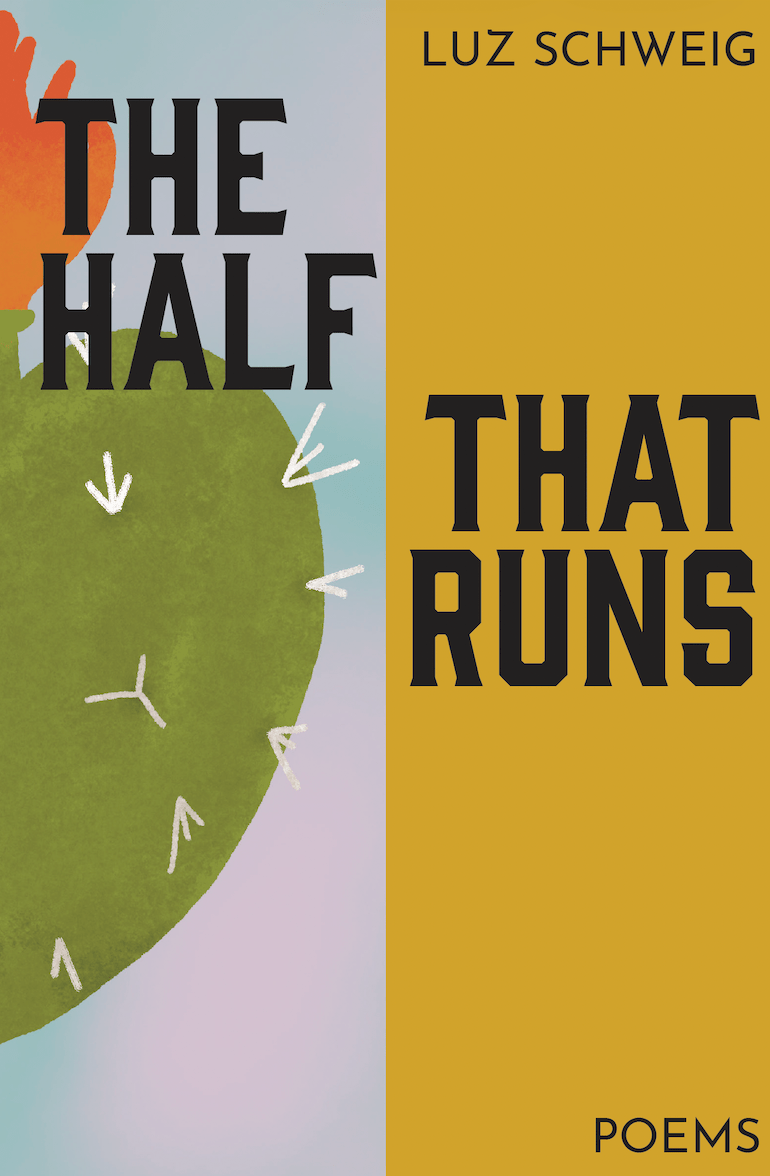
The Half That Runs by Luz Schweig
What if your memories had a geography—one that kept shifting under your feet like sand? Discover how The Half That Runs by Luz Schweig maps identity—read the full piece.
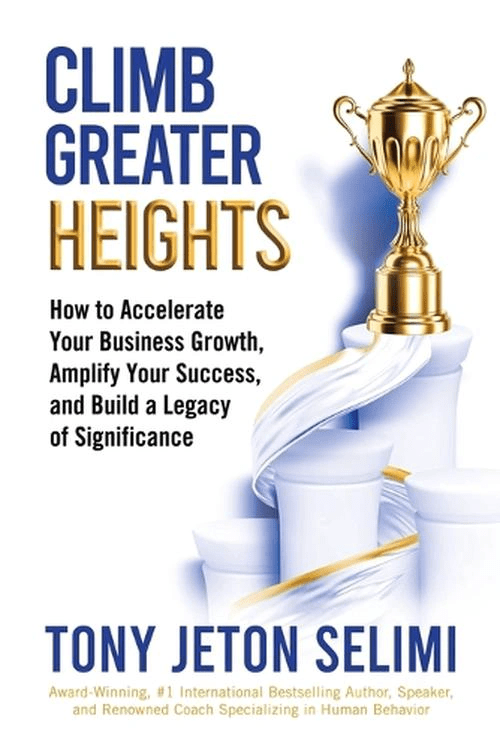
Book Review: Climb Greater Heights by Tony Jeton Selimi
What if your biggest business obstacle isn’t competition but something invisible within you? Discover the answer in Climb Greater Heights by Tony Jeton Selimi—read the full review to explore.

 OneTribune