
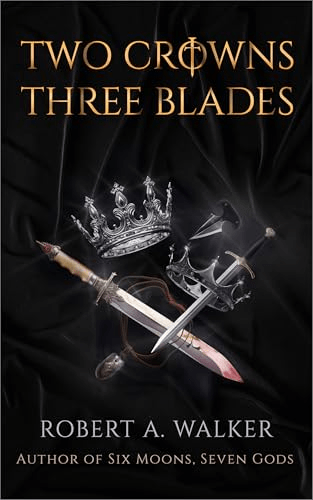
- Links: Goodreads | Amazon
- Genre: Epic fantasy
- Triggering themes: Grief, loss, violence, trauma, addiction.
Have you ever encountered a world in a book that feels so tangible you can almost touch it? Robert A. Walker’s Two Crowns, Three Blades pulls readers into such a world, but it’s not the kind of place where heroes march triumphantly across the landscape. Instead, it’s a story of survival, human flaws, and unbreakable bonds—woven through the story of Sibil Dunn, a woman who is as resilient as the land she struggles to understand.
A World Where Everything Feels Fleeting
The world of Baelon is a place of sharp contrasts—its beauty is matched only by its violence. As kingdoms vie for power, and alliances are formed out of necessity, it is not just the terrain that is dangerous, but the hearts of the characters who inhabit it. Walker’s Baelon feels alive, a setting drenched in both the physical and emotional weight of its people’s actions. From the storm-washed forests of Aranox to the burning sands of the southern territories, every corner of this world seems to bleed into the other. There are no easy answers in this landscape, only choices that carry consequences—both personal and political.
Sibil Dunn: A Story of Survival Beyond Revenge
At the heart of this saga is Sibil Dunn, whose tragic loss at the hands of a cruel assassin sets her on a path not just of vengeance, but of self-discovery. She begins as a woman on a mission to reclaim her past, but what she uncovers forces her to question everything she thought she knew about loyalty, justice, and forgiveness. Walker doesn’t just paint Sibil as a grieving daughter but as a figure whose journey is symbolic of the human struggle to tackle the aftermath of trauma. Her pursuit of revenge is not just an act of fury, but an emotional maze, as she confronts the tension between holding on to old values and forging new ones in a world that seems determined to break her.
The Weight of Grief
Walker’s depiction of grief is unflinching. It’s not a distant emotion, but a constant companion to the characters, especially Sibil. The grief in this world is not just about loss—it’s about the uncertainty of what comes next. Walker brings this feeling to the surface with his evocative prose, capturing the suffocating weight of mourning with lines that linger in the mind. But grief isn’t all-consuming in this narrative. It’s softened by moments of unexpected humor, light-hearted interactions, and shared memories that serve as a reminder that even in the darkest of times, life carries on.
Exploring Universal Struggles Through a Fantasy Lens
What makes Two Crowns, Three Blades truly compelling is how it speaks to the universal. At its core, it’s a story of relationships—how individuals are shaped by those they love, and how they are often forced to let go of them. The conflicts that Sibil faces—her struggle with loyalty to her late father, her attempts to honor her family’s legacy while forging a new path—are relatable to any reader, regardless of the setting. In a world where loyalty can be both a virtue and a curse, Walker deftly explores the gray areas of moral choices. The bonds between characters feel deeply human, not bound by the grand declarations of heroism often seen in epic fantasies but by quiet acts of trust and vulnerability.
A Tale of Hope Amid Despair
Despite its heavy themes, Walker’s narrative is not without moments of hope. These moments shine through the story like threads of light in a dark realm. The characters’ resilience isn’t about fighting for the impossible; it’s about finding a reason to keep moving forward, even when the world around them seems to be falling apart. In Sibil’s journey, we see echoes of our own struggles with loss and change, a reminder that there is strength in resilience, and sometimes, the act of surviving is a victory in itself.
Who Will Love It vs. Who Won’t
Who Might Dislike It:
- Readers who prefer light, action-focused fantasy
- Those sensitive to heavy themes of grief and trauma
- Fans of clear-cut moral stories
Who Might Like It:
- Fans of dark fantasy with intricate world-building
- Lovers of complex, emotionally driven narratives
- Readers interested in moral ambiguity and character growth
Similar Reads
If you liked the following reads, you will likely enjoy Two Crowns, Three Blades:
- The Broken Earth Trilogy by N.K. Jemisin – A powerful exploration of grief, resilience, and survival in a world torn apart by cataclysmic events.
- The Poppy War by R.F. Kuang – A dark, gritty tale of war, revenge, and the emotional toll of power struggles.
- The Name of the Wind by Patrick Rothfuss – A rich fantasy world with deep emotional undercurrents and a focus on personal growth and loss.
- The Lies of Locke Lamora by Scott Lynch – A tale of loyalty, betrayal, and moral ambiguity set in a detailed, complex world.
These books share themes of emotional depth, complex characters, and a blend of personal and political struggles.
Final Thoughts: A Complex, Powerful Story
Robert A. Walker’s Two Crowns, Three Blades is not a simple tale of swords and sorcery. It’s a meditation on the endurance of the human spirit, a nuanced exploration of what it means to live with loss, to fight for what we believe in, and to find hope even when it seems out of reach. Walker’s world is one filled with rich, textured characters, all of whom seem shaped by the past yet striving for something beyond it. It’s a world that feels painfully real, where every choice matters, and every loss is felt deeply. For those brave enough to get into this journey, the rewards are profound—this is a story that will stay with you long after you turn the last page.
Book World Front Award
This book is a winner of the Book World Front Award, an accolade that celebrates extraordinary literature from around the globe. It honors stories that bring universal themes to life and resonate across cultures. Aligned with our mission to explore the world through words, this award spotlights voices that inspire, connect, and showcase the power of global storytelling—where every story takes center stage.
We’d love to hear from you!
What are your thoughts on this piece? Share your insights in the comments below!
- What stood out to you most about this post?
- Have you read a book recently that relates to the themes discussed here?
- What’s your favorite takeaway or reflection from this write-up?
Let’s keep the conversation going—your thoughts make this space richer!
Disclaimer: The content on this site is provided for informational and inspirational purposes only. While we strive for accuracy, the views expressed in reviews, articles, and recommendations are subjective and may not reflect the opinions of all readers.
We receive complimentary copies of all books we review. However, this practice does not compromise the integrity or honesty of our reviews. Every write-up reflects the contributor’s genuine impressions and critical analysis, ensuring transparency and trust with our readers.
For a complete understanding of our practices, please refer to our full Disclaimer, Privacy Policy, and Terms of Service. These documents outline how we manage your information, ensure transparency, and uphold your rights as a user.
To request for a review, to nominate your favorite book for an award, or for more details about our awards, click here.
Other Stories

Reimagining Life Through Words and Service with Debra J. White
What happens when life’s hardest blows lead to unexpected purpose? Discover how Debra turned trauma, recovery, and rescued animals into writing and volunteer work that inspires resilience and connection.
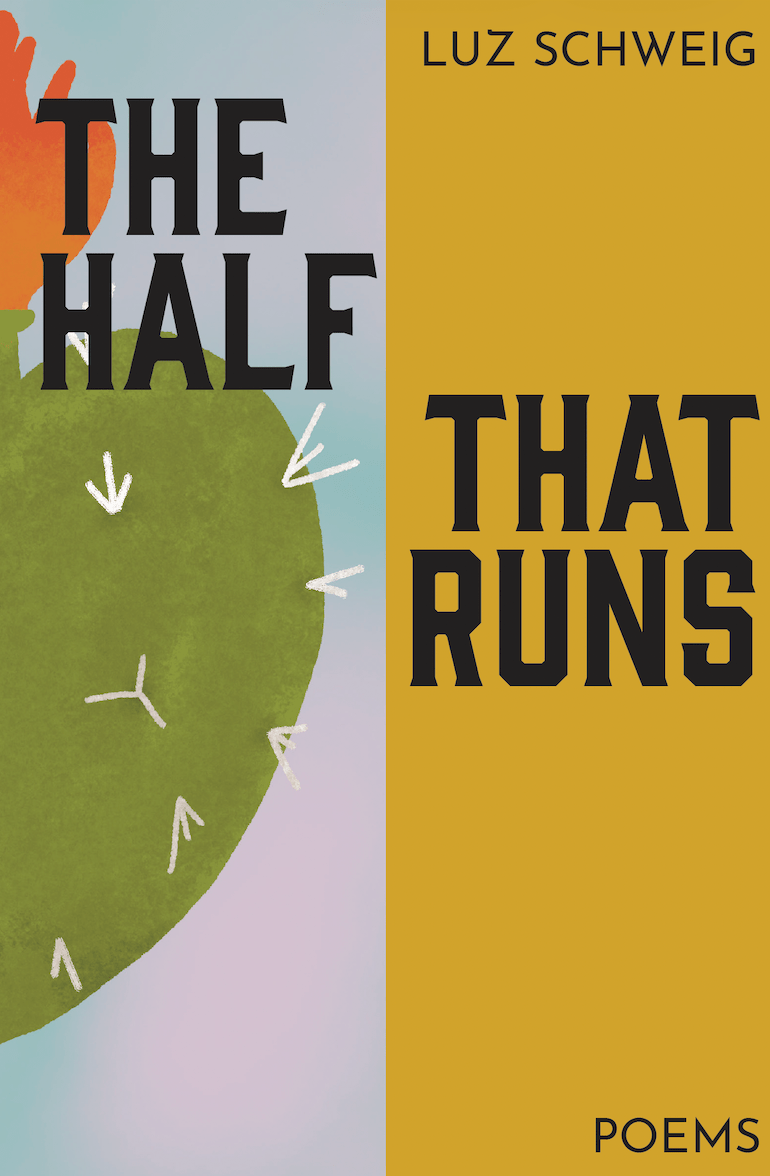
The Half That Runs by Luz Schweig
What if your memories had a geography—one that kept shifting under your feet like sand? Discover how The Half That Runs by Luz Schweig maps identity—read the full piece.
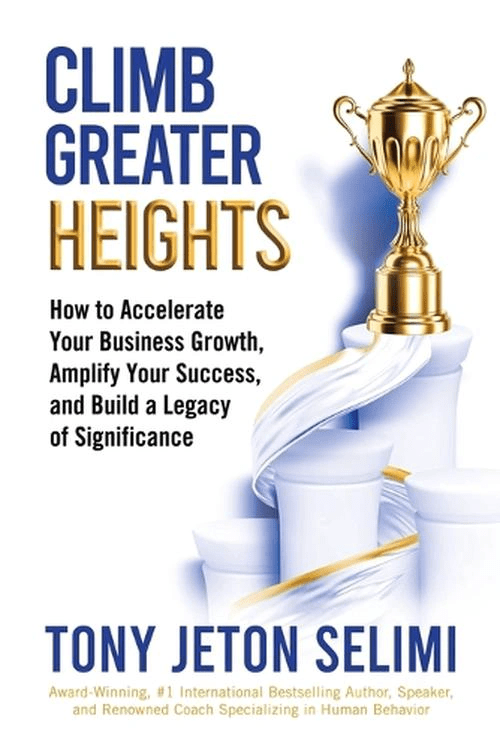
Book Review: Climb Greater Heights by Tony Jeton Selimi
What if your biggest business obstacle isn’t competition but something invisible within you? Discover the answer in Climb Greater Heights by Tony Jeton Selimi—read the full review to explore.

 OneTribune
