
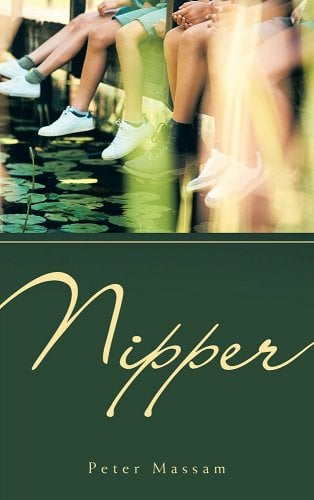
Genre: Nonfiction – Creative Nonfiction, Literary Nonfiction
Amazon link: https://www.amazon.com/Nipper-Peter-Massam/dp/1982286075
The Art of Remembering Things That Never Happened Quite That Way
Memory is a trickster. Neuroscientists say that every time we recall an event, our brain slightly alters it, like an artist adding brushstrokes to an unfinished painting. Nipper plays with this idea—its central character, George, grows up in a rural village, collecting moments that seem ordinary but later form the foundation of who he becomes. What is childhood if not a puzzle pieced together by what we remember, what we forget, and what we only think we experienced?
Massam captures these fleeting moments with a curious balance of precision and haziness, much like the way we remember our own childhoods. A minor act of rebellion, a missed opportunity, the quiet realization that life is changing—each moment is small but significant. Readers expecting a grand, sweeping plot may find themselves searching, but those willing to settle into the book’s rhythm will recognize the power of the subtle and the unspoken.
The Psychology of Growing Up: Why Small Moments Matter
A 2014 study from Harvard found that our formative years, particularly ages 7-12, shape much of our personality, yet many of these defining experiences feel trivial at the time. George’s world is built on these “trivial” events—a first encounter with bullying, an early brush with love, the quiet grief of realizing someone is gone forever.
Take, for instance, George’s realization that his childhood friend Andrew has moved away without warning. The event is simple. No dramatic goodbye, no explanation. And yet, in those few lines, Massam encapsulates something deeply human: how often in life we lose people not through conflict, but through quiet, unannounced departures. How many childhood friendships simply dissolved without ceremony, only to be remembered decades later in a moment of unexpected nostalgia?
The Illusion of Control: What Nipper Doesn’t Say
In the book’s most striking moments, the most profound changes in George’s life happen beyond his control. A moment of bullying on the school bus redefines how he views the opposite sex. A family decision regarding the death of his grandfather reshapes his understanding of adulthood. Even his first romantic experience, deeply personal yet uncertain, unfolds not as a grand coming-of-age revelation but as a quiet encounter that leaves more questions than answers.
Massam resists the urge to over-explain. He does not hold the reader’s hand through George’s emotional journey, and that’s what makes it effective. He trusts that readers will recognize these moments for what they are—snapshots of the universal growing-up experience.
A Literary Time Capsule: What Nipper Shares with the Greats
There’s an unspoken literary lineage running through Nipper. Massam’s storytelling doesn’t follow a traditional arc of conflict and resolution; rather, it lingers in the spaces between—the silences, the near-misses, the unsaid words.
In doing so, Nipper becomes a kind of time capsule—not just for its hero, but for anyone who has ever looked back on their childhood and realized they never quite understood it while they were living it.
Who Will Love This Book, and Who Won’t?
Nipper is for those who appreciate introspective, literary storytelling. Readers who enjoy fast-paced action or dramatic twists may find its quiet, reflective nature challenging. But for those who find meaning in the small, everyday moments that make us who we are, this book will resonate deeply.
Content Warning
This book contains mild depictions of childhood bullying, grief, and an understated romantic scene. None of these elements are graphic, but they contribute to the book’s themes of growing up and personal change.
Nipper is not a book that demands your attention; it invites your reflection. It’s a reminder that life is not measured in grand events but in small, quiet moments that we only recognize as important once they have long passed us by.
Global Spines Book Award

This book is a winner of the Global Spines Book Award, which honors exceptional works of literature that transcend borders and speak to universal human experiences. This award celebrates stories that connect readers across the globe, offering fresh perspectives and exploring the richness of cultural diversity. Each winning book reflects the spirit of Global Spines—stories that bridge gaps, foster understanding, and resonate with readers from all walks of life. By recognizing these powerful narratives, we aim to inspire deeper connections and celebrate the power of global storytelling.
We’d love to hear from you!
What are your thoughts on this piece? Share your insights in the comments below!
- What stood out to you most about this post?
- Have you read a book recently that relates to the themes discussed here?
- What’s your favorite takeaway or reflection from this write-up?
Let’s keep the conversation going—your thoughts make this space richer!
Disclaimer: The content on this site is provided for informational and inspirational purposes only. While we strive for accuracy, the views expressed in reviews, articles, and recommendations are subjective and may not reflect the opinions of all readers.
We receive complimentary copies of all books we review. However, this practice does not compromise the integrity or honesty of our reviews. Every write-up reflects the contributor’s genuine impressions and critical analysis, ensuring transparency and trust with our readers.
For a complete understanding of our practices, please refer to our full Disclaimer, Privacy Policy, and Terms of Service. These documents outline how we manage your information, ensure transparency, and uphold your rights as a user.
To request for a review, to nominate your favorite book for an award, or for more details about our awards, click here.
Other Stories

Reimagining Life Through Words and Service with Debra J. White
What happens when life’s hardest blows lead to unexpected purpose? Discover how Debra turned trauma, recovery, and rescued animals into writing and volunteer work that inspires resilience and connection.
The Half That Runs by Luz Schweig
What if your memories had a geography—one that kept shifting under your feet like sand? Discover how The Half That Runs by Luz Schweig maps identity—read the full piece.
Book Review: Climb Greater Heights by Tony Jeton Selimi
What if your biggest business obstacle isn’t competition but something invisible within you? Discover the answer in Climb Greater Heights by Tony Jeton Selimi—read the full review to explore.

 OneTribune