
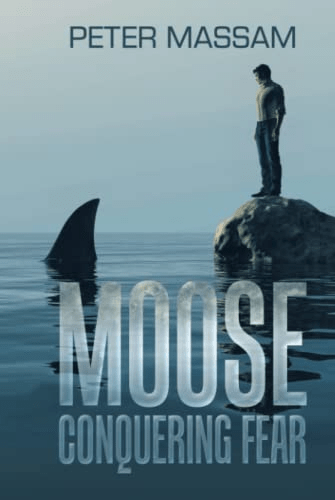
Genre: Memoir / Personal Development
Amazon link: https://www.amazon.com/Moose-Conquering-Fear-Peter-Massam/dp/1982286288
A Study in the Subtleties of Bravery
Fear, the Unseen Companion
Fear is an odd thing. It doesn’t always announce itself with pounding heartbeats or cold sweats. Sometimes, it disguises itself as routine, as polite compliance, as the quiet ache of a life played too safely. Peter Massam’s Moose: Conquering Fear is an exploration of this very phenomenon—how fear doesn’t just manifest in moments of terror, but in the slow erosion of choice.
Told through the experiences of George, a student-turned-expatriate navigating the intricacies of work, relationships, and self-doubt, this book is not a dramatic thriller. Instead, it’s a mirror—one that shows the subtle ways we let fear shape our lives and, crucially, how we can choose to push back.
The Neuroscience of Hesitation
At its core, Moose is a book about decision-making. One could argue that fear is merely hesitation magnified. Psychologists like Daniel Kahneman have studied how our brains often default to avoiding losses rather than seeking gains. George’s life decisions—whether moving abroad, dealing with unexpected career turns, or navigating relationships—are studies in this concept.
Take his time in Burgundy. He enters a foreign work environment where misunderstandings are common, social norms unfamiliar. How often do we hesitate in such situations, preferring silence over the risk of looking foolish? But George, rather than letting his self-consciousness rule him, adapts. He learns the language, the workplace politics, even the humor of his French colleagues. Is that not a form of bravery just as significant as facing down a physical threat?
Pranks, Power, and the Politics of Belonging
One of the more unexpected themes in Moose is how humor and rebellion become tools for reclaiming power. College pranks, often dismissed as mere mischief, are framed here as small acts of defiance against the rigid expectations of institutional life. Consider George and his friends orchestrating a harmless but elaborate joke—placing misleading notices on university doors just to observe the social experiment of human behavior
.
It’s easy to dismiss such moments as juvenile, but is there not something profound in the way humor can disrupt power dynamics? As Mark Twain once said, “Against the assault of laughter, nothing can stand.” In an environment where young adults are expected to conform, such pranks become a means of reclaiming autonomy.
Fear as a Currency in Relationships
Perhaps the most emotionally resonant aspect of the book is its meditation on relationships. George, like many of us, faces choices that pit comfort against growth. Does he stay in a stable relationship out of familiarity, or does he acknowledge the creeping unease that something isn’t right?
It is a cruel irony that fear, which often warns us of danger, can also trap us in stagnant situations. In one particularly poignant moment, he is blindsided by the end of a relationship, realizing only in hindsight how much he had feared acknowledging the inevitable
.
This speaks to a universal human experience: how often do we stay in jobs, friendships, or romances not because they are fulfilling, but because leaving is simply too terrifying?
The Silence Between the Words
One of the book’s most striking qualities is not what it says outright, but what it leaves unsaid. There are moments when George faces personal losses—decisions made by others that strip him of control. The pain is there, but Massam does not indulge in melodrama. Instead, he lets the weight of absence speak.
In one heart-wrenching moment, George realizes that he may never see his children again due to circumstances beyond his control. The scene is not written with over-the-top emotion but with the quiet devastation of reality
. Sometimes, the hardest battles are not the ones fought with fists or even words, but the ones that leave you staring at a silent phone, willing it to ring.
Conclusion: Conquering Fear Is Not About Erasing It
What Moose ultimately suggests is that conquering fear is not about eliminating it. It is about learning to live with it, to understand its whispers, and to decide—deliberately, consciously—when to listen and when to move forward despite it.
So if you’ve ever hesitated at the edge of a decision, if you’ve ever looked back at a moment and wished you had been braver, then this book is for you. Because, as George’s journey reminds us, the opposite of fear is not just courage—it’s choice.
Content Warning
This book contains discussions of personal loss, emotional distress, and life-altering decisions that may be difficult for some readers. While it remains family-friendly in tone, it does touch upon heavy themes, including separation, self-doubt, and the long-term impact of fear.
Narrative Voyager Award

This book is a winner of the Narrative Voyager Award, which recognizes the transformative power of storytelling. In a world filled with myriad voices and stories waiting to be discovered, this award highlights books that inspire empathy, challenge conventions, and foster connections across borders—be they physical, cultural, or emotional. By celebrating these stories, we hope to create a literary map where every reader can take on journeys of discovery, reflection, and growth.
We’d love to hear from you!
What are your thoughts on this piece? Share your insights in the comments below!
- What stood out to you most about this post?
- Have you read a book recently that relates to the themes discussed here?
- What’s your favorite takeaway or reflection from this write-up?
Let’s keep the conversation going—your thoughts make this space richer!
Disclaimer: The content on this site is provided for informational and inspirational purposes only. While we strive for accuracy, the views expressed in reviews, articles, and recommendations are subjective and may not reflect the opinions of all readers.
We receive complimentary copies of all books we review. However, this practice does not compromise the integrity or honesty of our reviews. Every write-up reflects the contributor’s genuine impressions and critical analysis, ensuring transparency and trust with our readers.
For a complete understanding of our practices, please refer to our full Disclaimer, Privacy Policy, and Terms of Service. These documents outline how we manage your information, ensure transparency, and uphold your rights as a user.
To request for a review, to nominate your favorite book for an award, or for more details about our awards, click here.
Other Stories

Reimagining Life Through Words and Service with Debra J. White
What happens when life’s hardest blows lead to unexpected purpose? Discover how Debra turned trauma, recovery, and rescued animals into writing and volunteer work that inspires resilience and connection.
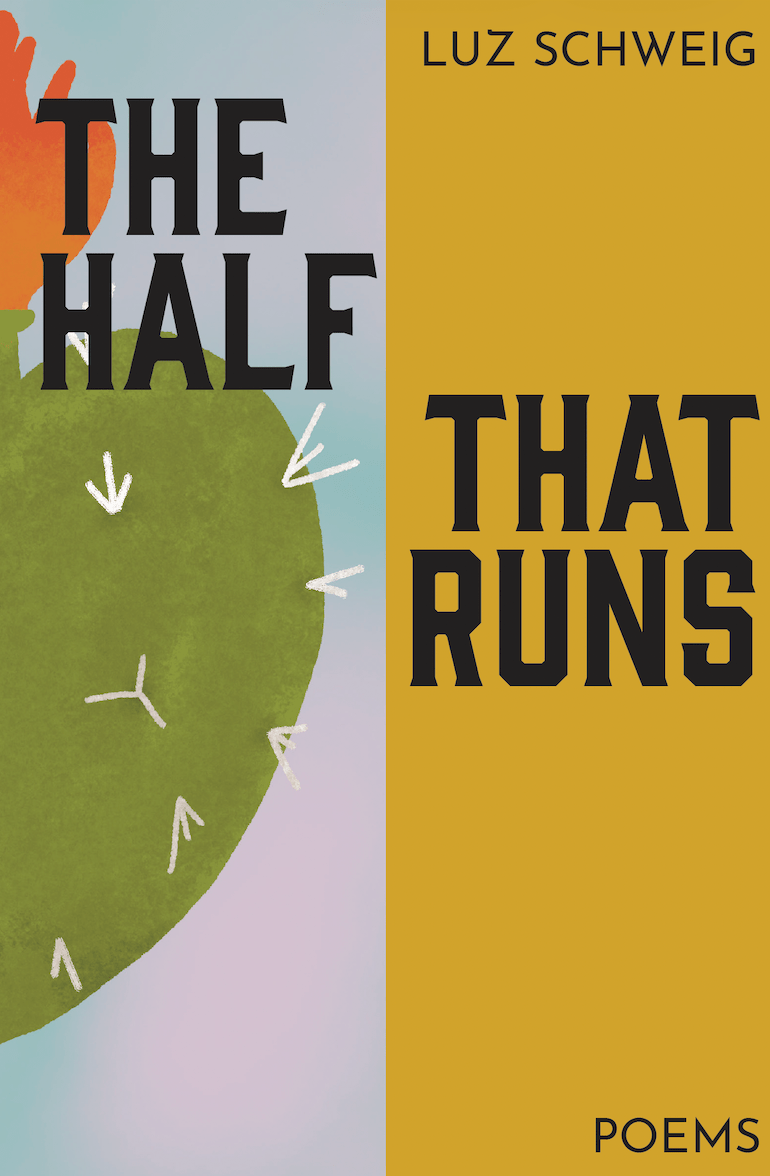
The Half That Runs by Luz Schweig
What if your memories had a geography—one that kept shifting under your feet like sand? Discover how The Half That Runs by Luz Schweig maps identity—read the full piece.
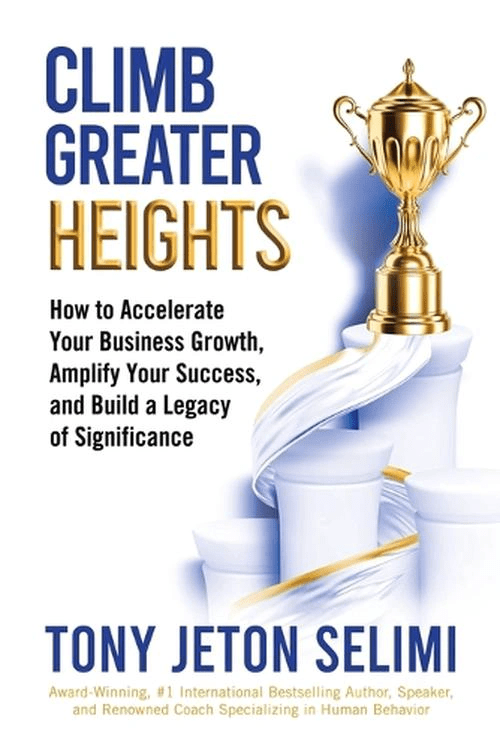
Book Review: Climb Greater Heights by Tony Jeton Selimi
What if your biggest business obstacle isn’t competition but something invisible within you? Discover the answer in Climb Greater Heights by Tony Jeton Selimi—read the full review to explore.

 OneTribune