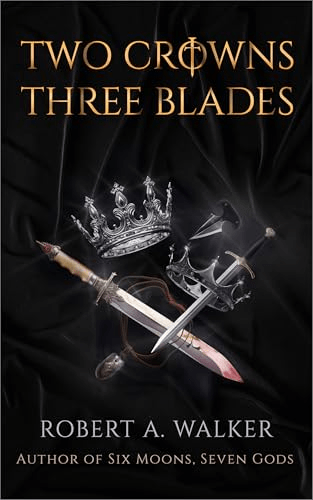
Amazon link: https://www.amazon.com.au/Crowns-Three-Blades-Robert-Walker-ebook/dp/B0DRFF2V9D
Fantasy often dazzles with its battles and betrayals, but Robert A. Walker’s Two Crowns, Three Blades is an intricate exploration of power, identity, and the unseen forces shaping destiny. Beneath its action-packed exterior, the novel raises thought-provoking questions: Is war ever truly about honor? Do legends forge themselves, or are they carefully crafted by those who survive to tell the tale?
This isn’t just a book about kingdoms clashing—it’s about the battle within, where morality and ambition duel in a far deadlier contest than steel ever could.
A Kingdom Built on Blood and Stone: History’s Reflection in Fantasy
At the heart of Two Crowns, Three Blades lies Aranox, a kingdom with a past as jagged as its fortress walls. The novel’s world-building isn’t just decorative; it mirrors the real-world history of power struggles and uneasy alliances. If you’ve ever traced the rise and fall of ancient empires, you’ll recognize the eerily familiar cycle—glory, corruption, and reckoning.
The construction of Aranox’s great citadel, built with baelonite stone, echoes the architectural feats of Rome and Egypt, where grandeur was erected at the cost of countless nameless laborers. Adrian Dunn, the realm’s architect, is a quiet ghost in this tale—a figure whose legacy shapes the kingdom, though his voice is long gone. Like the artisans of Notre Dame or the Great Wall of China, he remains faceless in history, his work outliving his name.
And then there’s the Guild of Takers, a shadowy force with an unsettling grip on the realm—an organization that operates much like historical mercenary companies or the secretive Assassins of the Middle Ages. They are both the villain and the inevitable product of a broken world.
The Science of War: Why Fantasy Battles Are More Than Sword Clashes
Fantasy novels love epic battles, but Walker does something unique—he considers how war is fought, not just why. It’s one thing to depict a grand battlefield, another to explore strategy, supply chains, and the physics of siege warfare.
For example, the king’s campaign against the Guild isn’t just a tale of honor—it’s one of calculated risks. His soldiers face prattlers, creatures that function like a medieval minefield—impossible to navigate without grave consequences. Much like Hannibal’s trek through the Alps or Napoleon’s Russian campaign, war isn’t just about armies—it’s about the land, the logistics, and the price paid in blood.
And then there’s Euphoria, a substance tied to visions and power, but also deception. In our own world, history has been shaped by substances—opium, salt, gold—each carrying the weight of human greed and ambition. What Euphoria does to its users is left deliberately ambiguous, mirroring the real-world duality of medicine and poison.
Characters That Refuse to Be Pieces on a Chessboard
- Sibil Dunn: A girl with fire in her blood, navigating a world that refuses to take her seriously. Her journey is not just about revenge—it’s about finding her own worth.
- Tristan Godfrey: A knight, a brother, and a man torn between duty and vengeance. His transformation is a stark reminder that grief reshapes us into something unrecognizable.
- Marshal Erik Carson: A man who understands war’s cost better than most, forced to weigh loyalty against survival.
But the novel’s real strength? No one is truly good or evil. Even the villains have their justifications, and even the heroes make morally gray choices.
The Subtle Threads: Questions Readers Won’t Ask But Should
Walker’s novel isn’t just a medieval fantasy; it’s a mirror to our own history and human nature. Some readers will get lost in the adventure, but here are some deeper threads worth pulling on:
- The Currency of War: Why does the Guild pay people to fight for them? It’s a chilling reflection of how the poorest are often the first sent to war—not for ideology, but for survival.
- The King’s Morality: He wants justice, but how different is he from his enemies when he’s willing to let others bleed for his throne?
- The Value of Memory: The book questions how history is written. Who gets remembered, and who is erased? Is a knight’s honor worth more than an architect’s hands?
Final Verdict: A War Worth Fighting (On the Page, At Least)
Two Crowns, Three Blades isn’t just another tale of swords and sorcery. It’s a masterful blend of history, strategy, and human psychology wrapped in an engrossing narrative. It challenges its readers—sometimes subtly, sometimes with brutal clarity—to rethink the stories they’ve heard before.
Content Warning:
While Two Crowns, Three Blades is a fantasy novel, it deals with themes of war, revenge, and loss. There are intense battle scenes, moral dilemmas, and occasional violence, but nothing gratuitous. Readers who enjoy complex, thought-provoking narratives will find this both engaging and rewarding.
Narrative Voyager Award
This book is a winner of the Narrative Voyager Award, which recognizes the transformative power of storytelling. In a world filled with myriad voices and stories waiting to be discovered, this award highlights books that inspire empathy, challenge conventions, and foster connections across borders—be they physical, cultural, or emotional. By celebrating these stories, we hope to create a literary map where every reader can take on journeys of discovery, reflection, and growth.
We’d love to hear from you!
What are your thoughts on this piece? Share your insights in the comments below!
- What stood out to you most about this post?
- Have you read a book recently that relates to the themes discussed here?
- What’s your favorite takeaway or reflection from this write-up?
Let’s keep the conversation going—your thoughts make this space richer!
Disclaimer: The content on this site is provided for informational and inspirational purposes only. While we strive for accuracy, the views expressed in reviews, articles, and recommendations are subjective and may not reflect the opinions of all readers.
We receive complimentary copies of all books we review. However, this practice does not compromise the integrity or honesty of our reviews. Every write-up reflects the contributor’s genuine impressions and critical analysis, ensuring transparency and trust with our readers.
For a complete understanding of our practices, please refer to our full Disclaimer, Privacy Policy, and Terms of Service. These documents outline how we manage your information, ensure transparency, and uphold your rights as a user.
To request for a review, to nominate your favorite book for an award, or for more details about our awards, click here.
Other Stories

Reimagining Life Through Words and Service with Debra J. White
What happens when life’s hardest blows lead to unexpected purpose? Discover how Debra turned trauma, recovery, and rescued animals into writing and volunteer work that inspires resilience and connection.
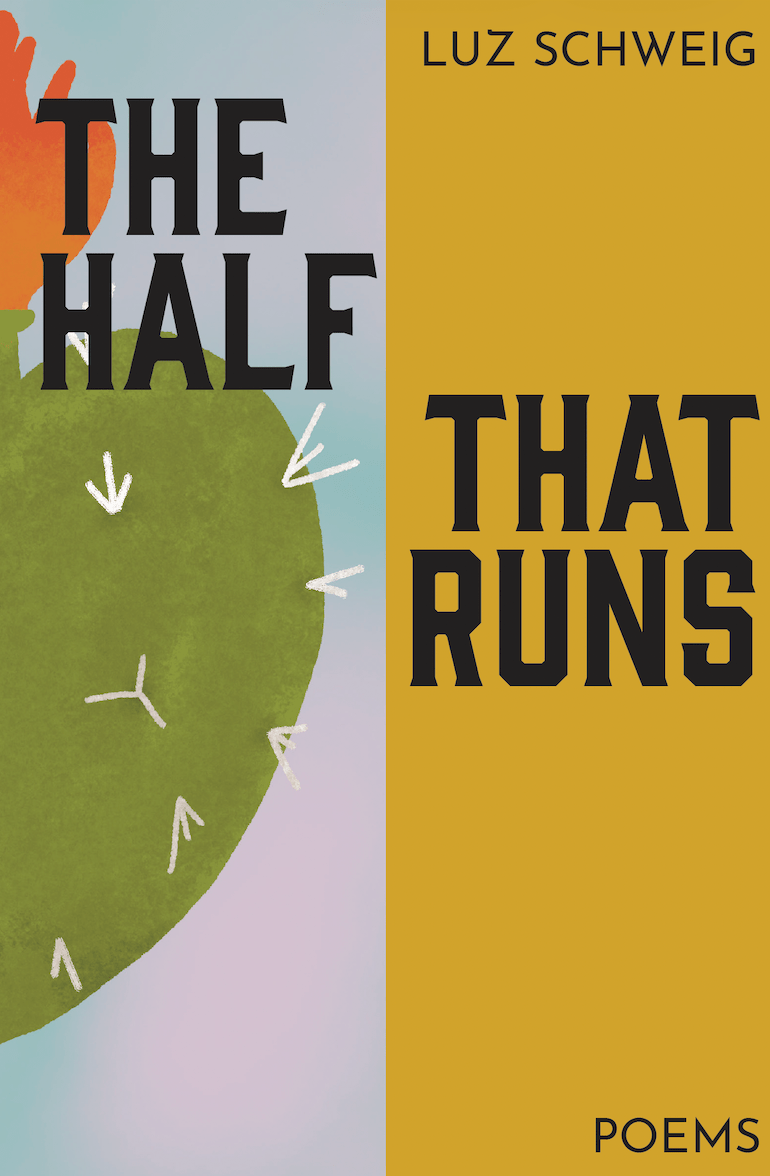
The Half That Runs by Luz Schweig
What if your memories had a geography—one that kept shifting under your feet like sand? Discover how The Half That Runs by Luz Schweig maps identity—read the full piece.
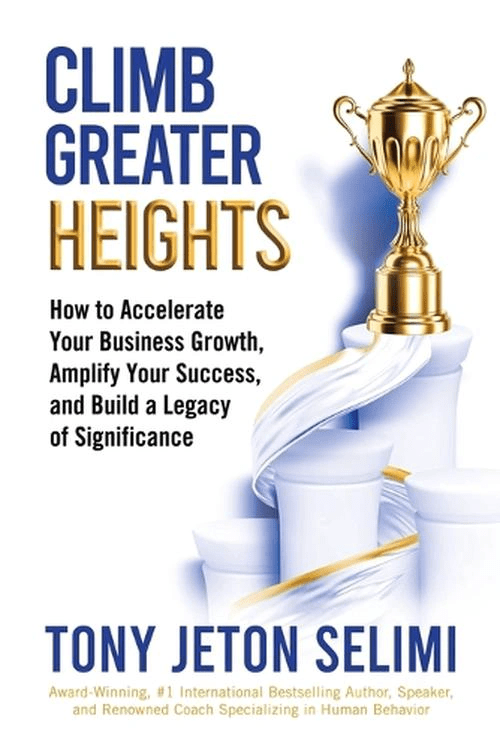
Book Review: Climb Greater Heights by Tony Jeton Selimi
What if your biggest business obstacle isn’t competition but something invisible within you? Discover the answer in Climb Greater Heights by Tony Jeton Selimi—read the full review to explore.

 OneTribune