

Genre: Young Adult | Romance | Contemporary Fiction
Somewhere between expectation and freedom, between the hush of a Southern church and the dazzling spectacle of a Bollywood film, between who we are and who we are told to be—there is Mary Poser. This novel is not about romance alone; it is about collision. It is about what happens when love does not just appear but disrupts, when faith is not just inherited but questioned, and when family is not just a support system but a boundary drawn around a life.
Mary Poser is the kind of character that lingers—not because she is loud or reckless, but because she is so painfully familiar. She is the girl who plays by the rules, the daughter who never says no, the friend who is always there. She is the kind of person society rewards with approval until the moment she decides she wants more. The human brain is wired for pattern recognition; we follow scripts, we learn what is expected, and we comply. But what happens when the script does not account for the unpredictable? What happens when the well-mapped road suddenly forks?
Enter Simha Das, an Indian filmmaker whose presence is not just romantic but seismic. He does not come as a hero to rescue Mary; he arrives as a question she has spent her whole life avoiding. If love is meant to be simple, why does it feel like treason? If faith is meant to be unwavering, why does it shake under scrutiny? The brilliance of this novel is not in its love story, but in how it forces its protagonist to examine what love even means in a world full of conditions.
Nashville, with its deep-fried traditions and twang-filled sincerity, stands in perfect contrast to Bollywood’s extravagant, unashamed passion. The setting is not just a backdrop—it is a battleground for identity. The novel subtly asks: Can two worlds ever truly merge, or must one always yield to the other? The statistics tell us that Bollywood produces over 1,000 films a year, a staggering output compared to Hollywood, yet Western audiences still see it as an exotic novelty. Why? The same question applies to people like Simha—outsiders in a land that prides itself on hospitality, yet still draws its invisible lines.
The novel does not shy away from the subtleties of prejudice. There are no grand acts of villainy, only the quiet, insidious ways that exclusion is practiced. A comment, a look, a shift in tone—Mary begins to see what has always been there, and it unsettles her. The book does not offer easy answers, because real life rarely does.
Perhaps the most haunting aspect of Mary Poser is its portrayal of anxiety. Unlike the grand struggles of forbidden love in fiction, Mary’s battle is often internal—her thoughts racing, her breath shortening, her body rebelling against the constraints placed upon it. Studies show that 36% of young adults report experiencing anxiety, yet many suffer in silence. Mary’s panic attacks are not just plot devices; they are a reality for countless people who are forced to measure their worth against impossible standards.
The most powerful moment in the novel is not when love is declared, but when Mary realizes she must first love herself. There is an unspoken rule in stories that transformation must come in big, dramatic waves, but this novel understands that real change often happens in small, terrifying steps.
Some will read this book as a romance and be satisfied. Others will read it as a deconstruction of identity and be shaken. And some, perhaps, will recognize themselves in Mary and feel seen. That is the beauty of Mary Poser—it is not just a love story; it is a mirror, reflecting back the choices we make and the ones we are too afraid to.
Content Warning: This book deals with themes of anxiety, cultural and religious expectations, and discrimination. While handled with sensitivity, readers should be prepared for moments of emotional intensity.
Narrative Voyager Award

This book is a winner of the Narrative Voyager Award, which recognizes the transformative power of storytelling. In a world filled with myriad voices and stories waiting to be discovered, this award highlights books that inspire empathy, challenge conventions, and foster connections across borders—be they physical, cultural, or emotional. By celebrating these stories, we hope to create a literary map where every reader can take on journeys of discovery, reflection, and growth.
We’d love to hear from you!
What are your thoughts on this piece? Share your insights in the comments below!
- What stood out to you most about this post?
- Have you read a book recently that relates to the themes discussed here?
- What’s your favorite takeaway or reflection from this write-up?
Let’s keep the conversation going—your thoughts make this space richer!
Disclaimer: The content on this site is provided for informational and inspirational purposes only. While we strive for accuracy, the views expressed in reviews, articles, and recommendations are subjective and may not reflect the opinions of all readers.
We receive complimentary copies of all books we review. However, this practice does not compromise the integrity or honesty of our reviews. Every write-up reflects the contributor’s genuine impressions and critical analysis, ensuring transparency and trust with our readers.
For a complete understanding of our practices, please refer to our full Disclaimer, Privacy Policy, and Terms of Service. These documents outline how we manage your information, ensure transparency, and uphold your rights as a user.
To request for a review, to nominate your favorite book for an award, or for more details about our awards, click here.
Other Stories

Reimagining Life Through Words and Service with Debra J. White
What happens when life’s hardest blows lead to unexpected purpose? Discover how Debra turned trauma, recovery, and rescued animals into writing and volunteer work that inspires resilience and connection.
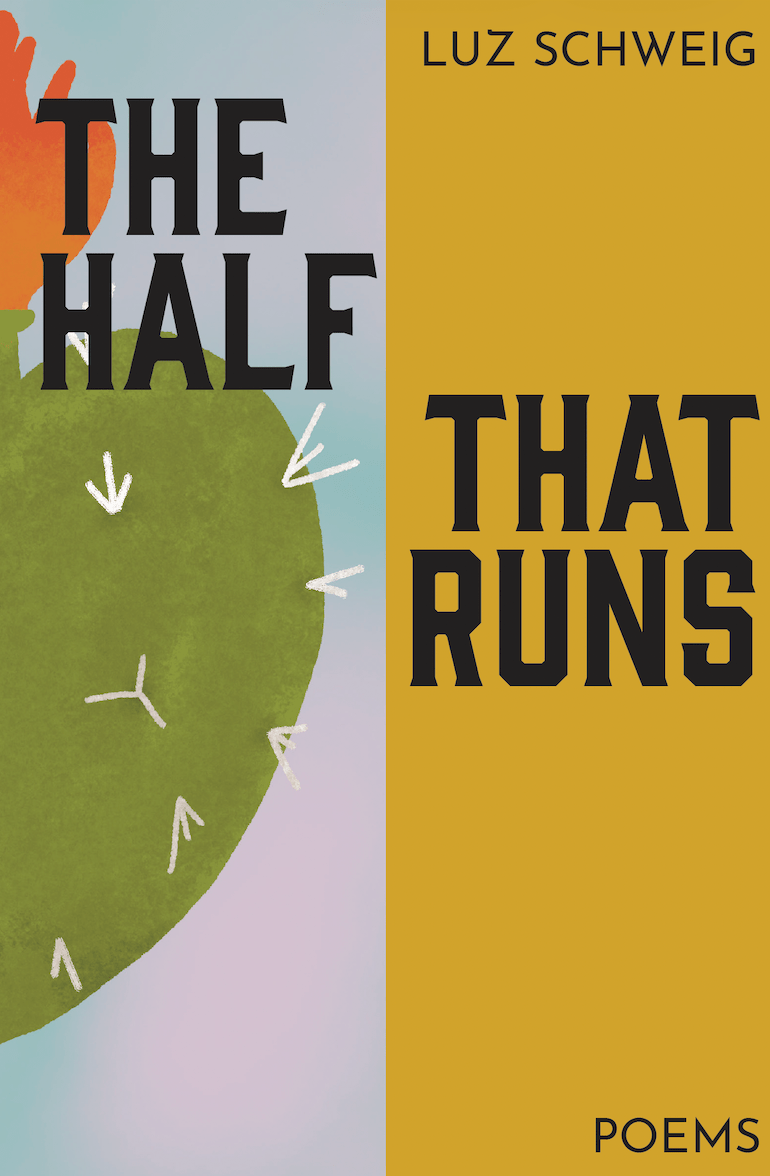
The Half That Runs by Luz Schweig
What if your memories had a geography—one that kept shifting under your feet like sand? Discover how The Half That Runs by Luz Schweig maps identity—read the full piece.
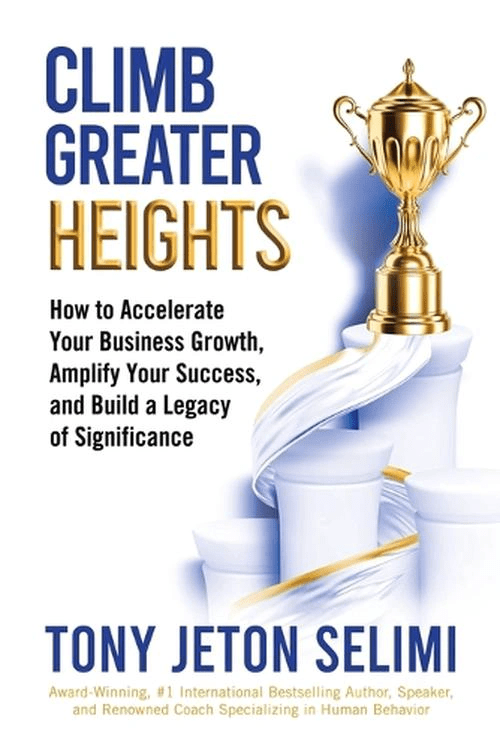
Book Review: Climb Greater Heights by Tony Jeton Selimi
What if your biggest business obstacle isn’t competition but something invisible within you? Discover the answer in Climb Greater Heights by Tony Jeton Selimi—read the full review to explore.

 OneTribune